The global semiconductor manufacturing equipment market is set to double, reaching $344.36 billion by 2032, up from $166.35 billion in 2025.
The rapid growth is due to increased demand for advanced chips driven by artificial intelligence (AI) and high-performance computing (HPC).
The market is forecast to expand at a compound annual growth rate (CAGR) of 11%, according to a report by MarketsandMarkets.
Also Read: TN Announces ₹175 Crore Semiconductor and Electronics Park in Kancheepuram
AI and Data Centres Fuel Demand for Advanced Chip Equipment
The expansion of AI applications is boosting demand for high-performance semiconductors used for AI training & inference in data centres.
Producing these advanced-node chips requires greater investment in cutting-edge logic and memory capacity, increasing demand for sophisticated semiconductor manufacturing equipment.
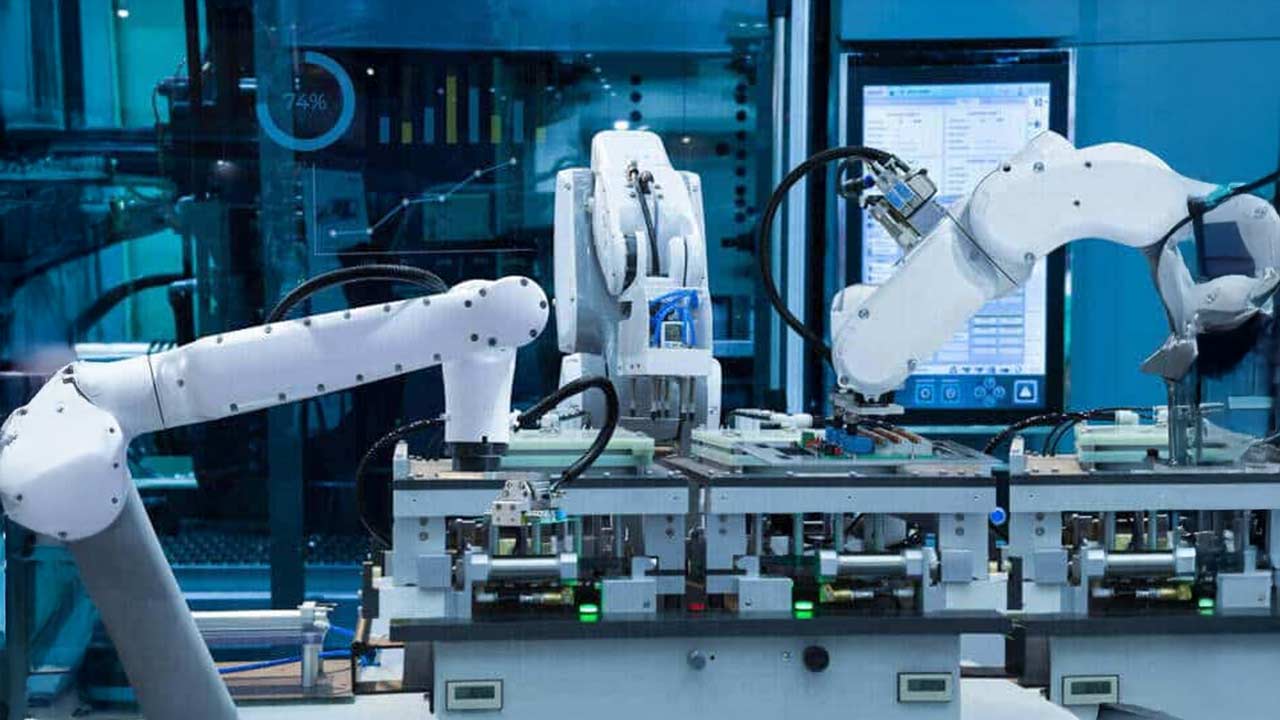
The equipment market covers tools used throughout chip production, from wafer fabrication processes such as lithography, etching and deposition to assembly, packaging and testing. These systems provide the precision needed to manufacture increasingly small and powerful chips.
The move towards smaller transistor sizes is another key growth driver. Smaller geometries can improve performance, lower power consumption and increase the amount of functionality packed into a chip, making them important for cloud data centres and automotive manufacturers.
Advanced packaging is also emerging as a major opportunity. Technologies such as system-in-package (SiP), fan-out wafer-level packaging (FOWLP) and 3D stacking can improve performance, thermal management and integration density as semiconductor devices become smaller and more power-efficient.
Also Read: Delhi Master Plan 2047 Sets Sights on Semiconductors, AI and Electronics
Asia Pacific Leads, Americas Poised for Faster Growth
Asia Pacific accounted for 81% of the global semiconductor manufacturing equipment market in 2024. The progress reflects its strong fabrication base across China, Japan, South Korea and Taiwan.
The Americas, meanwhile, are expected to record the fastest growth during the forecast period. Government support, including funding under the US CHIPS and Science Act, is encouraging domestic chip manufacturing, research and development, new fabrication plants and technology clusters.
Supply-chain resilience, nearshoring and rising demand from AI and automotive applications are also supporting investment in the region.
Also Read: Investors Bet Big on Indian Semiconductor Start-ups: $206 Million Raised Since 2022
High Equipment Costs Remain a Constraint
The growth outlook comes with a major cost barrier. Advanced tools such as extreme ultraviolet (EUV) lithography systems can cost more than $200 million per unit. Such high ownership and operating costs restrict leading-edge equipment largely to well-funded foundries and integrated device manufacturers, potentially slowing the expansion of advanced fabrication capacity.
For India, expanding digital infrastructure and AI ambitions will increase the importance of access to advanced semiconductors and the equipment needed to manufacture them. Global moves towards domestic chip production, rising technology costs and supply-chain resilience are likely to influence investment decisions around advanced data centre infrastructure in the country.
The next phase of semiconductor growth will depend not only on chip demand, but also on how quickly manufacturers can afford and deploy the equipment needed to make them.

Samarjit Kaur is a journalist and communications professional covering technology & emerging digital trends. With a focus on clarity and context, she reports on developments shaping industries and governance. When not reporting, she chooses to plug-in and relax on her playlists and plan her next bucket-list trips!