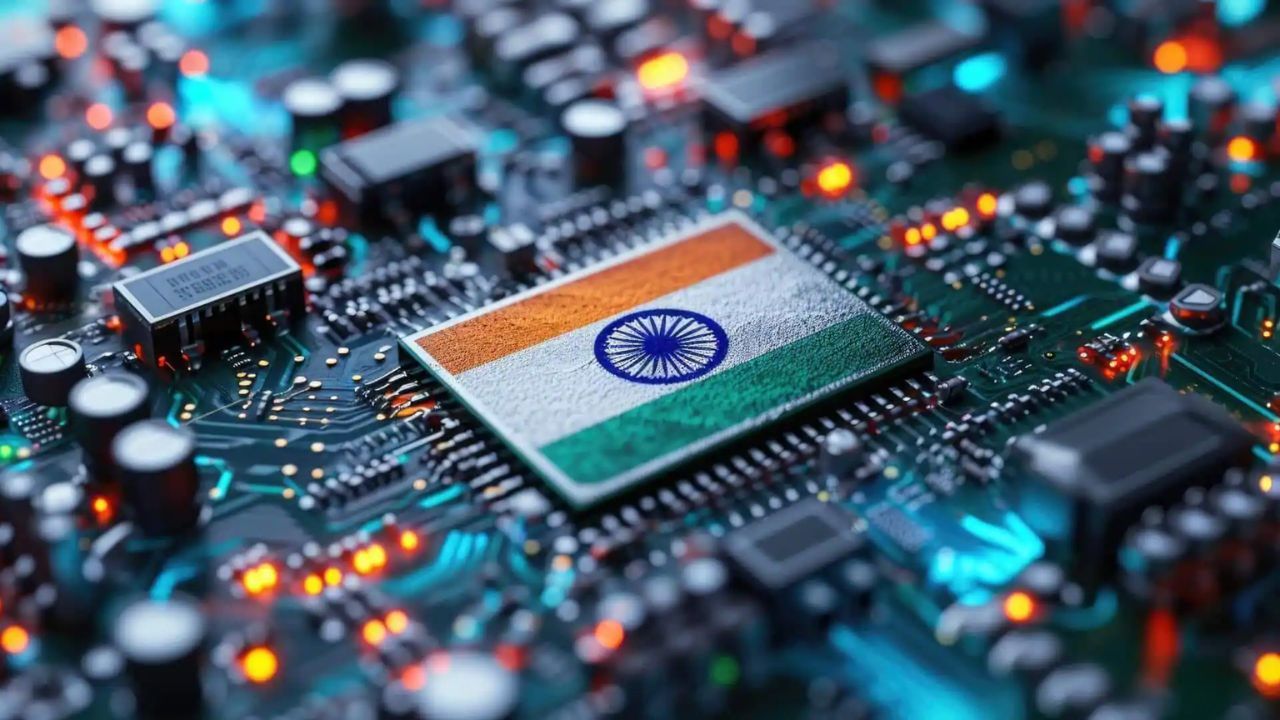
India has significantly expanded its semiconductor ambitions after the Union Cabinet approved the India Semiconductor Mission (ISM) 2.0 with a budget outlay of ₹1.27 lakh crore.
The programme aims to strengthen the country’s semiconductor design and manufacturing ecosystem, deepen domestic capabilities and reduce reliance on imported chips as demand grows across artificial intelligence (AI), electric vehicles (EVs), telecom, consumer electronics and data centres.
The approval was announced by Union Electronics and IT Minister Ashwini Vaishnaw following the Cabinet meeting chaired by Prime Minister Narendra Modi.
Also Read: India Semiconductor Mission 2.0 Moves Closer as ₹1.25 Lakh Crore Plan Gets Finance Panel Approval
Semicon 2.0 Expands Support Across the Chip Value Chain
The second phase builds on the progress made under Semicon 1.0. It introduces a broader six-pillar strategy covering chip design, semiconductor equipment and materials, fabrication units, packaging and testing, research and development, and talent development. The government said the programme is designed as a long-term policy to create an end-to-end semiconductor ecosystem rather than focusing only on manufacturing.
The initiative further seeks to strengthen India’s position in the global semiconductor supply chain. It will encourage local innovation, attract investment & support companies involved in semiconductor machinery, speciality chemicals, gases and other critical inputs.
Also Read: India Semiconductor Mission 2.0 May Get 12-Year Run as Centre Expands Chip Ecosystem Push
Mission builds on momentum from Semicon 1.0
According to the government, 12 semiconductor manufacturing projects worth more than ₹1.64 lakh crore have already been approved under the mission’s first phase.
These include one silicon fabrication plant, one silicon carbide fab, one gallium nitride Micro LED display fab and nine semiconductor packaging facilities serving sectors such as automotive, industrial electronics, telecom, aerospace and consumer electronics.
Three projects, led by Micron, Kaynes and CG Semi, have already entered commercial production, while another facility is expected to begin operations this year.
On the design side, 24 startups and MSME projects have received financial support, while 105 startups and MSMEs have gained access to industry-standard chip design tools. Their work spans AI processors, satellite communications, Internet of Things (IoT), drones, telecom equipment and smart meters.
With Semicon 2.0, India is shifting from offering manufacturing incentives to building a complete semiconductor ecosystem. The success of the programme will now depend on how quickly projects move from approval to commercial production and whether India can attract sustained private investment alongside global chipmakers.

Samarjit Kaur is a journalist and communications professional covering technology & emerging digital trends. With a focus on clarity and context, she reports on developments shaping industries and governance. When not reporting, she chooses to plug-in and relax on her playlists and plan her next bucket-list trips!