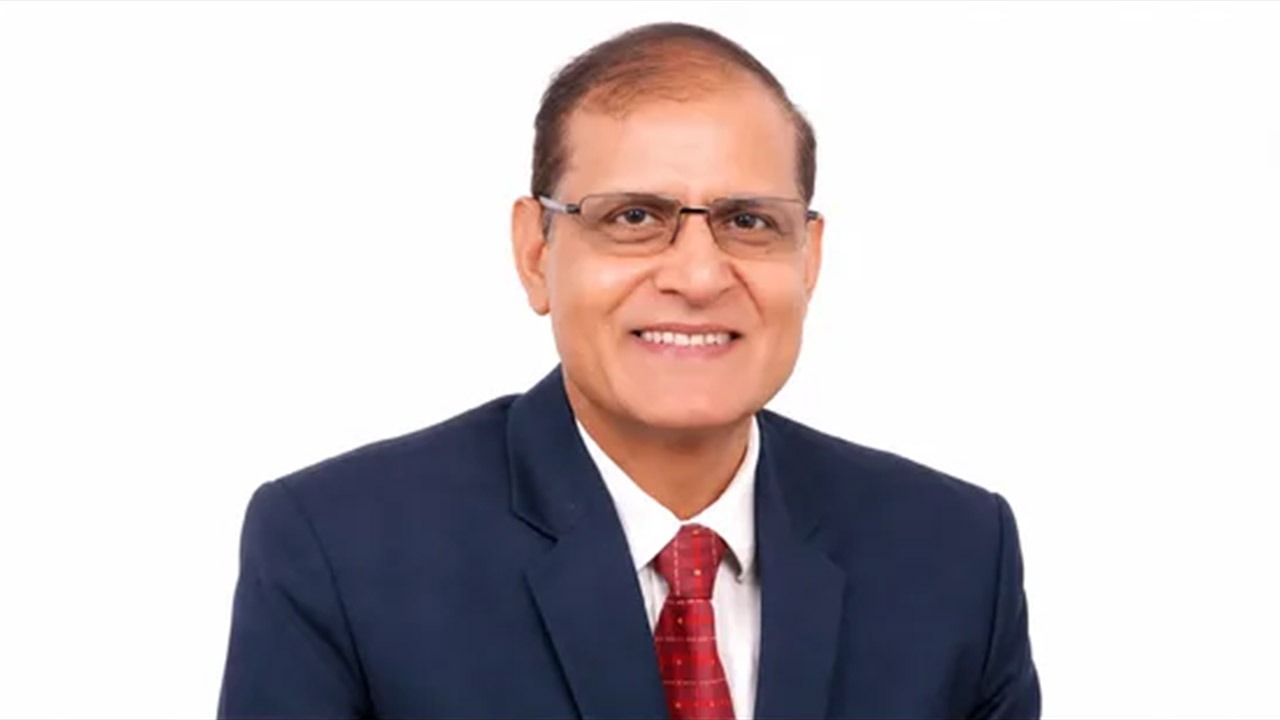
The Centre for Development of Telematics (C-DOT) is re-aligning its priorities toward next-generation telecom and cybersecurity technologies, according to CEO and Chairman Dr. Rajkumar Upadhyay.
Speaking to ANI, Upadhyay reflected on C-DOT’s nearly four-decade journey since its founding in 1984, when the organization was given just 36 months and a budget of ₹36 crore to build a digital telephone exchange. That effort, he said, laid the groundwork for India’s rural telecom expansion, often referred to as the country’s “PCO revolution.” He credited C-DOT’s indigenous technology development with lowering the cost of telecom equipment that India once had to import.
Also Read: TRAI Proposes New Telecom QoS Rules to Boost Network Performance
Upadhyay noted that India’s telecom sector has transformed dramatically since then, marked by rising competition, privatization, the entry of new companies, and the exit of several established players. In response, C-DOT is now focusing on five Centres of Excellence to address current telecom and cybersecurity needs.
Artificial intelligence is central to this shift. Upadhyay said C-DOT uses AI across its own telecom systems to improve efficiency, optimize performance, and reduce energy consumption. The organization also applies AI to counter cyber fraud and related digital threats.
A major focus area is building indigenous wireless systems. Citing a shifting geopolitical landscape and the expanding role of cyberspace in modern conflict, Upadhyay said the government directed C-DOT to develop its own 4G technology rather than rely on foreign systems. On 6G, he said C-DOT is already working on early development, though the organization is awaiting finalized global standards before building prototype and carrier-grade systems.
The comments highlight a broader push within India’s telecom sector to reduce dependence on imported technology while strengthening cybersecurity capabilities amid growing digital threats.
Samarjit Kaur is a journalist and communications professional covering technology & emerging digital trends. With a focus on clarity and context, she reports on developments shaping industries and governance. When not reporting, she chooses to plug-in and relax on her playlists and plan her next bucket-list trips!