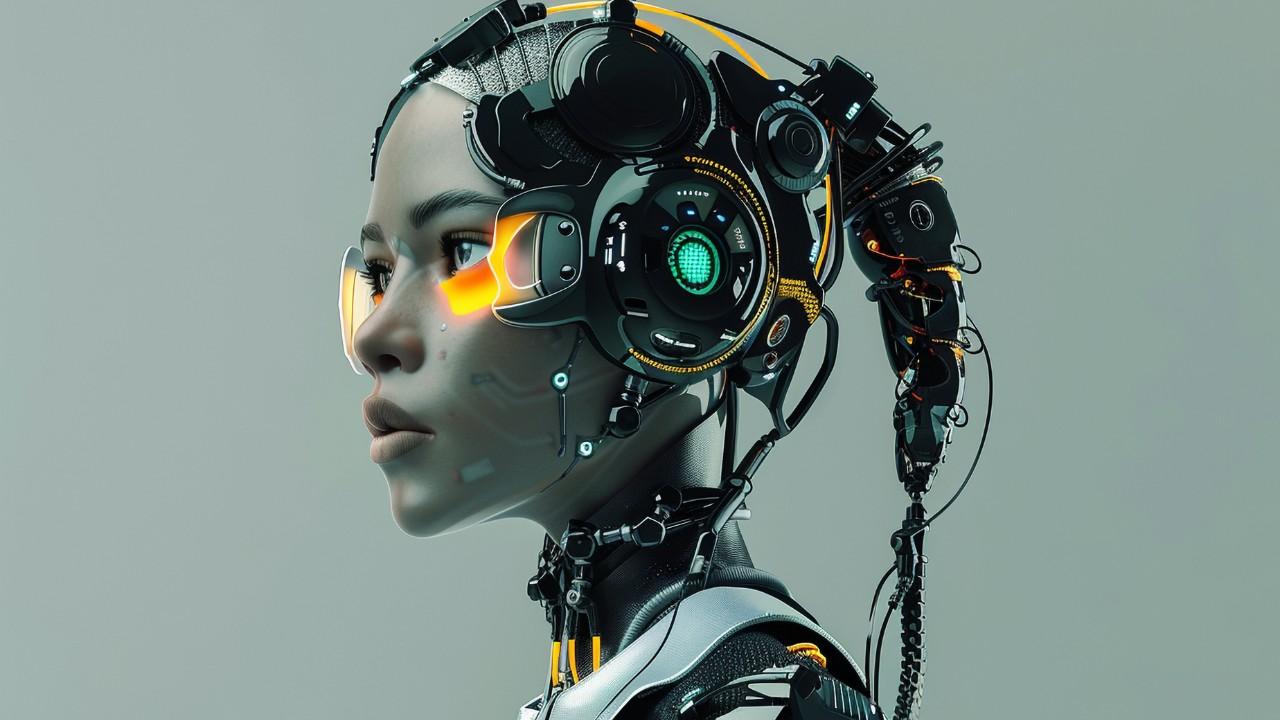
The Veterans First for America has unveiled an ambitious concept that aims to preserve a person’s identity inside a humanoid robot or hologram for up to 500 years. Called the QAIAx 4E HRR Model Series, the proposed system claims it can create a long-term digital representation (Digital DNA) of an individual using biometric and behavioural data, allowing future generations to interact with an AI-powered version of that person.
The company says licences for the technology would range from $300,000 for 100 years to $1 million for 500 years. However, no independently verified working prototype or peer-reviewed evidence has been presented to validate these claims. As a result, the project has drawn attention not only for its futuristic vision but also for the significant gap between its promises and the evidence currently available.
What Does QAIAx Mean by ‘Digital DNA’?
Despite the name, “Digital DNA” has nothing to do with biological DNA or genetic storage technology. Instead, it refers to a digital profile created from an individual’s biometric, behavioural and physiological data.
Read More | China Puts 100 Humanoid Robots in Real Homes: Can They Finally Handle Household Chores?
According to the project’s description, this information would be collected through a wearable haptic suit equipped with around 40 sensors. The system is designed to record body movements, vital signs, behavioural patterns and professional skills. That dataset would then be used to recreate an interactive version of the individual inside an Omni-AI humanoid robot or as a holographic projection.
The company also proposes that these digital identities could be managed through family trusts or estates, allowing future generations to continue interacting with them. Its licensing model reportedly includes three options: $300,000 for 100 years, $600,000 for 250 years and $1 million for 500 years.
Beyond Humanoid Robots
QAIAx is also linked to the registered QAIAx Clinical Trial (PRS: NCT07661823), a health services research initiative that reportedly covers 11 intervention groups, including PTSD, autism spectrum disorder, substance-use disorders and veteran reintegration.
Read More | BMW Deploys Figure AI Humanoid Robots at US Plant, Expands Automation Efforts
The broader proposal extends well beyond digital replicas of individuals. It outlines a vision for approximately 300 automated “Microcities” located on federal and military land. According to promotional material, these communities would operate under a 90/10 workforce model, where AI systems handle around 90% of municipal functions while licensed professionals oversee the remaining operations. These proposals remain conceptual and have not been independently audited or validated.
Does a Digital Copy Really Preserve a Person?
The central question is philosophical as much as technological. Even if a system can accurately reproduce someone’s voice, facial expressions, memories and conversational style, does that actually preserve the individual?
A paper published in the Journal of the American Philosophical Association offers a cautious perspective, stating that “on the leading approaches to personal persistence, a thanabot would not be a continuation of an actual human”. In other words, such systems may create an exceptionally realistic digital representation rather than extending a person’s consciousness or identity.
The Growing Business of AI After Death
The idea of creating AI-powered digital versions of deceased individuals is no longer science fiction. Companies including Silicon Intelligence, Super Brain and LifeNaut have spent years developing digital archives and AI replicas designed to preserve conversations, memories and personal histories.
Read More | China’s Humanoid Robots Step In as Asia Faces Worker Shortages
QAIAx pushes that concept much further by combining humanoid robots, holograms, long-term licensing and even city-scale AI infrastructure into a single vision. Meanwhile, robotics companies such as UBTech have already demonstrated robots capable of recreating a person’s facial appearance and voice using advanced 3D reconstruction technologies.
QAIAx has also referenced “quantum-powered” capabilities involving IBM Watson, Google Quantum AI and Nvidia. However, these references remain part of the company’s marketing material, and no confirmed partnerships or peer-reviewed research currently support these claims.
Ethical Questions Remain
The emergence of so-called grief technologies has sparked growing debate among researchers and ethicists. Experts argue that AI versions of deceased people should always be presented as simulations rather than actual continuations of the individual. Some researchers believe these systems may serve as valuable interactive archives for preserving family history and memories, while others caution that they could complicate the grieving process or create unrealistic emotional expectations.
Read More | Nvidia Wants Humanoid Robots to Work Safely Alongside Humans
The desire to keep loved ones close after death is deeply human. Whether a humanoid robot can genuinely preserve someone’s identity or simply create an increasingly convincing digital imitation is a question that technology alone cannot answer. As AI continues to reshape how people remember, communicate and preserve memories, regulators, ethicists and families will likely face difficult conversations long before any proposed 500-year licence reaches its end.

Indrani Priyadarshini is a journalist and editorial professional specialising in technology, artificial intelligence, smart cities, green energy, and digital transformation. With over four years of experience in tech journalism and digital media, she is known for turning complex industry developments into clear, engaging, and insightful stories. Her expertise spans reporting, editorial strategy, digital publishing workflows, and in-depth coverage of emerging technologies shaping the future.