India has reinforced the telecom data governance framework by directing communication providers to limit access to telecom network data within the country.
The latest move, notified by the Department of Telecommunications (DoT), is a part of the government’s new authorisation regime under the Telecommunications Act 2023.
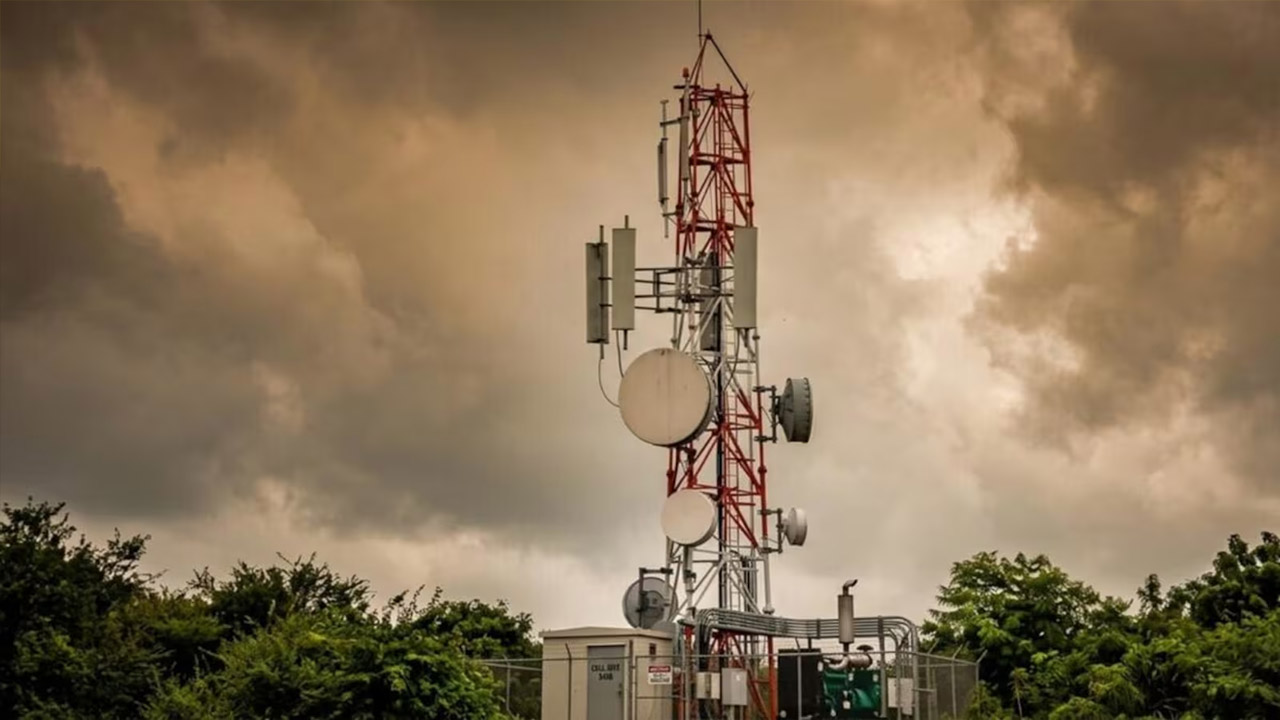
The rules apply to infrastructure providers supporting telecom networks, including cloud-based network infrastructure, mobile towers and satellite gateway operators.
The notification states that every newly authorised entity must ensure that all systems related to its telecom network, along with associated data, logs and information, are stored only within India. Copies of this information cannot be routed, shared or made available outside the country.
Also Read: Truecaller Challenges TRAI Over Anti-Spam Rules as Caller ID Dispute Escalates in India
New Rules Tighten Telecom Data Localisation
As stated in the notice, the government has made domestic storage of telecom data mandatory for all new authorised communication infrastructure providers.
Besides requiring data localisation, companies must also provide the Central Government with the location details of systems forming part of their telecom networks whenever directed. Entities planning to establish or expand telecom infrastructure in security-sensitive areas will also need prior government approval before proceeding.
For monitoring compliance, the centre will appoint a designated agency to audit processes or systems established by the authorised entity.
The notification read that the designated agency will not collect or demand any disclosure of information, as it may harm the competitive position of any user or the new authorised entity.
Infrastructure providers under the new framework will be solely responsible for obtaining permission to roll out the network and any delay in such permission should not be a reason for non-compliance of any rules under the new framework.
Also Read: TRAI Seeks IT Act Powers to Act Against Truecaller, Call-Blocking Apps Over Spam Labelling
Security Oversight Forms a Key Part of the Framework
The notification also reinforces lawful interception and monitoring obligations for authorised telecom entities. Operators providing access services, internet services, international long-distance services or gateway facilities will be required to establish monitoring systems in line with government directions.
For satellite communication providers, the rules additionally demand that all traffic originating from or terminating at user terminals located in India must pass through satellite earth station gateways situated within the country. Real-time traffic monitoring facilities must also be maintained for compliance.
The latest measures are part of the government’s wider telecom reforms following implementation of the Telecommunications Act, replacing the decades-old licensing framework with an authorisation-based system. Officials say the changes are aimed at strengthening national security, improving regulatory oversight and ensuring sensitive telecom data remains under Indian jurisdiction.

Samarjit Kaur is a journalist and communications professional covering technology & emerging digital trends. With a focus on clarity and context, she reports on developments shaping industries and governance. When not reporting, she chooses to plug-in and relax on her playlists and plan her next bucket-list trips!