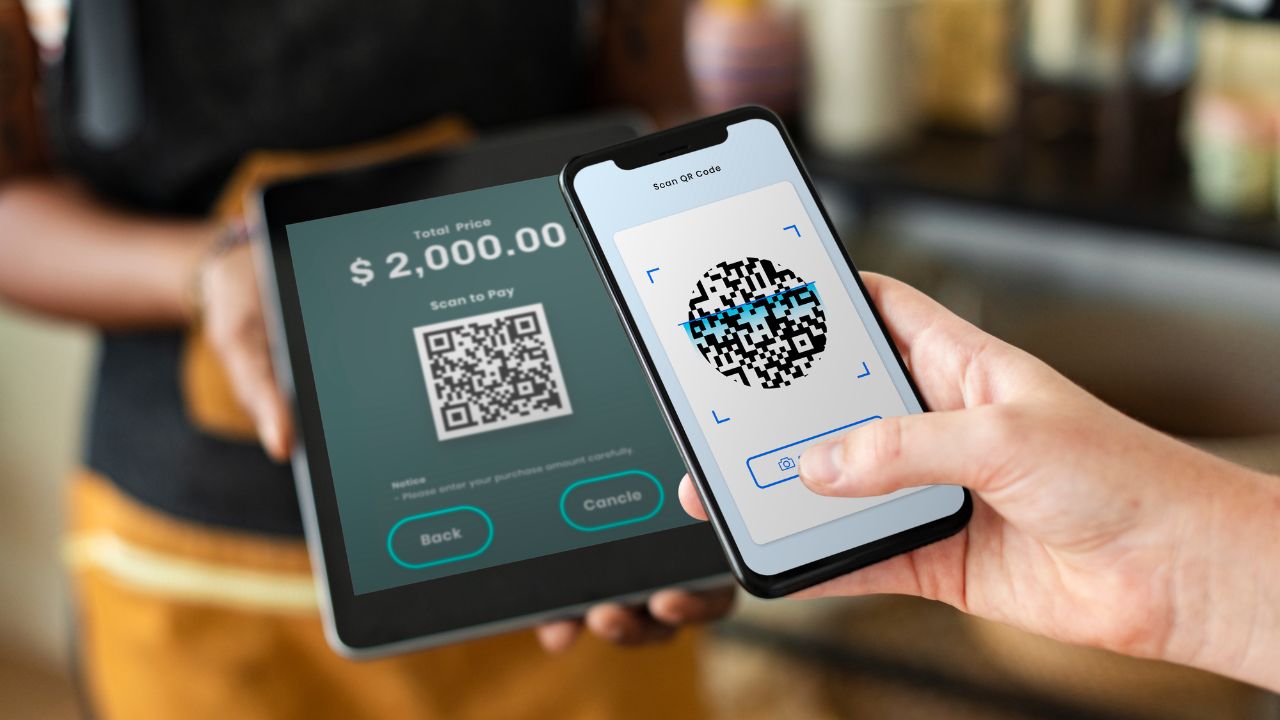
Smaller UPI apps have asked the National Payments Corporation of India (NPCI) to review its proposed UPI Meta framework, saying it could give bigger players like PhonePe and Google Pay an even stronger advantage, according to a Moneycontrol report. The report said a group of UPI payment apps has submitted a joint representation to NPCI, arguing that the proposed framework would not significantly improve the customer experience while potentially changing UPI’s open architecture.
Read More | Smaller UPI Players Raise Concerns Over NPCI’s UPI Meta Plan
UPI META
Under UPI Meta, users would be able to save their preferred UPI app on merchant platforms such as Amazon, Blinkit and Swiggy. This would allow them to complete payments using a UPI PIN or biometric authentication without having to open the payment app. However, the companies argued that UPI already offers a seamless payment experience and said there is no evidence that the existing checkout process leads to significant customer drop-offs. They also warned that a one-time onboarding choice could give larger payment apps a long-term advantage, making it more difficult for smaller players to grow.
Concerns of the Smaller Players
The concerns come as the UPI market remains dominated by a few major players. According to the report, PhonePe accounts for about 45% of UPI transaction volumes, while Google Pay holds around 33%. Smaller apps such as Navi, super.money and BHIM each have roughly 1-2% of the market.
Read More | UPI Offline Payments: NPCI Plans Tap-and-Pay Transactions Without Internet
The representation also raised concerns over security, governance and operational complexity. The companies said synchronising customer preferences across payment apps, banks, merchants and NPCI could create additional risks given the massive scale of the UPI ecosystem. They further argued that bypassing UPI checkout screens could prevent users from accessing features such as balance checks, issuer bank health indicators and fraud controls. It could also limit access to newer offerings, including UPI Lite, Credit Cards on UPI and Credit Lines on UPI.

Indrani Priyadarshini is a journalist and editorial professional specialising in technology, artificial intelligence, smart cities, green energy, and digital transformation. With over four years of experience in tech journalism and digital media, she is known for turning complex industry developments into clear, engaging, and insightful stories. Her expertise spans reporting, editorial strategy, digital publishing workflows, and in-depth coverage of emerging technologies shaping the future.