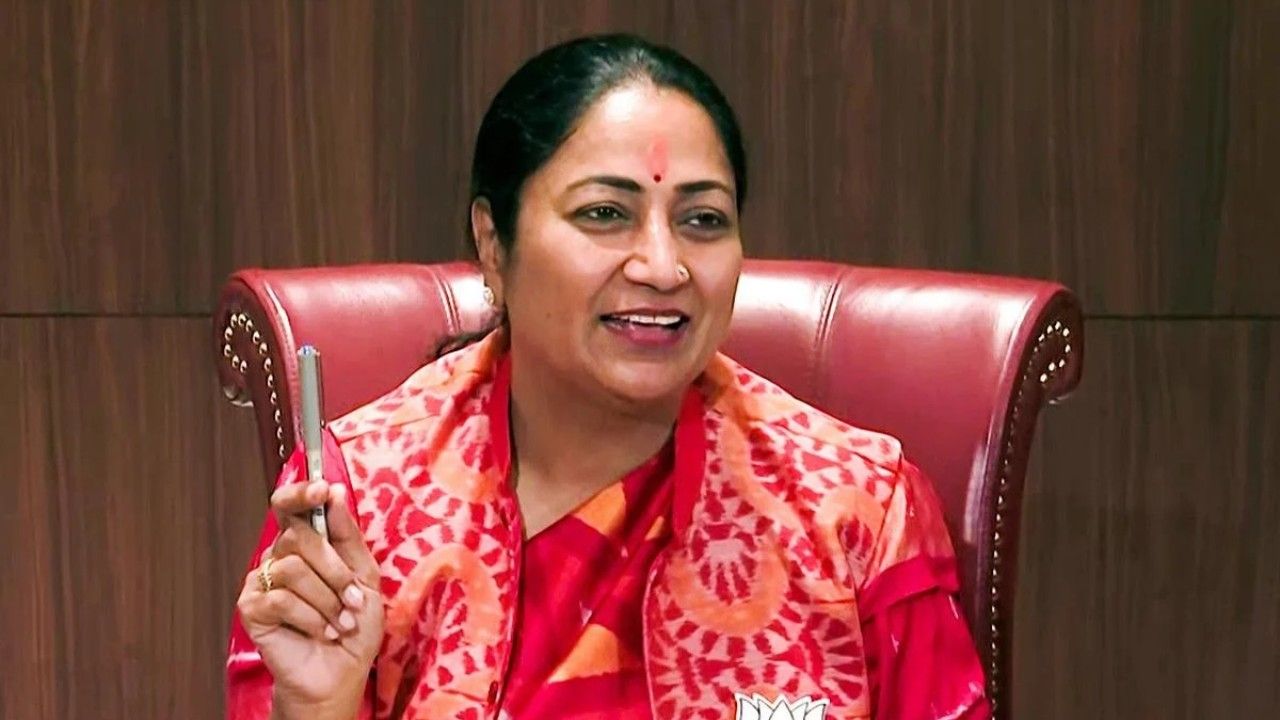
Delhi’s cleanest municipal ward will receive Rs 1 crore every month under a new 12-month cleanliness competition announced by Chief Minister Rekha Gupta. However, wards will have to maintain a high standard of cleanliness to stay in the race, as garbage complaints from residents could affect their eligibility.
The competition was announced as Gupta launched the ‘Delhi Ko Kude Se Azadi-Swachhta Abhiyan 2026’ at the Municipal Corporation of Delhi (MCD) headquarters. While the wider cleanliness campaign will continue until October 2, the ward-level competition will run for a full year.
Read More | Delhi Cantonment Board Launches SMART Platform for Real-Time Civic Monitoring
How Delhi’s Cleanest Ward Will Be Selected
The ward ranked the cleanest each month will receive Rs 1 crore from the Chief Minister’s District Development Fund (CMDF). A ward that wins every month could receive up to Rs 12 crore over the year, according to the Chief Minister’s Office.
The ranking will be based on reports from an independent agency, assessments submitted by government officials and complaints received from residents or flagged on social media. This means a garbage complaint could directly affect a ward’s chances of winning the monthly award.
Gupta said the funds would be linked to the performance of each ward. She also stressed that keeping Delhi clean cannot be the responsibility of a single government department or agency and requires citizens’ participation.
Delhi Cleanliness Drive To Focus On Waste Management
The new campaign aims to address Delhi’s long-running waste management problems, including the accumulation of garbage and the city’s landfill sites. The government has based the campaign around the “Four Cs” of waste management: collection, cleaning, conversion and circular economy.
Read More | Delhi EV Policy 2026: Cabinet Clears ₹15,000-Crore Electric Mobility Plan with Tax Waivers and EV Incentives
The plan includes segregation of waste at source, regular collection from garbage points, processing and disposal at waste facilities, and action in areas where garbage continues to pile up.
Special Cleanliness Drives Across Delhi
Several targeted cleanliness drives have also been planned across the capital. Cleanliness campaigns in slum clusters will be held on August 23 and 30 and September 6 and 13. Public toilets will receive additional cleaning on Saturdays and Sundays.
Read More | India to Build First Government AI Data Centre in Delhi as NIC Expands National Digital Infrastructure
Parks will be targeted for green waste removal between September 1 and 10, while a special cleanliness drive at government hospitals is scheduled for September 17. Government schools will also take part in the ‘Mera School, Sabse Sundar’ competition from September 17 to October 2, along with a zero-waste campus drive.
The government is also developing 70 mechanical sweeping machines, additional litter-picker vehicles for wards and 125 secondary collection centres for construction and demolition waste.
Civic Bodies Asked To Prepare Cleanliness Plans
The Urban Development Department has asked the MCD, New Delhi Municipal Council, Delhi Cantonment Board and other departments to prepare cleanliness plans for markets, hospitals, schools, industrial areas and other public spaces. The plans will also cover roads, footpaths, back lanes, community centres, public toilets and areas around railway tracks and the Ring Road. Departments have been asked to maintain photographic records of the work and submit progress reports to the Urban Development Department every Monday.

Indrani Priyadarshini is a journalist and editorial professional specialising in technology, artificial intelligence, smart cities, green energy, and digital transformation. With over four years of experience in tech journalism and digital media, she is known for turning complex industry developments into clear, engaging, and insightful stories. Her expertise spans reporting, editorial strategy, digital publishing workflows, and in-depth coverage of emerging technologies shaping the future.