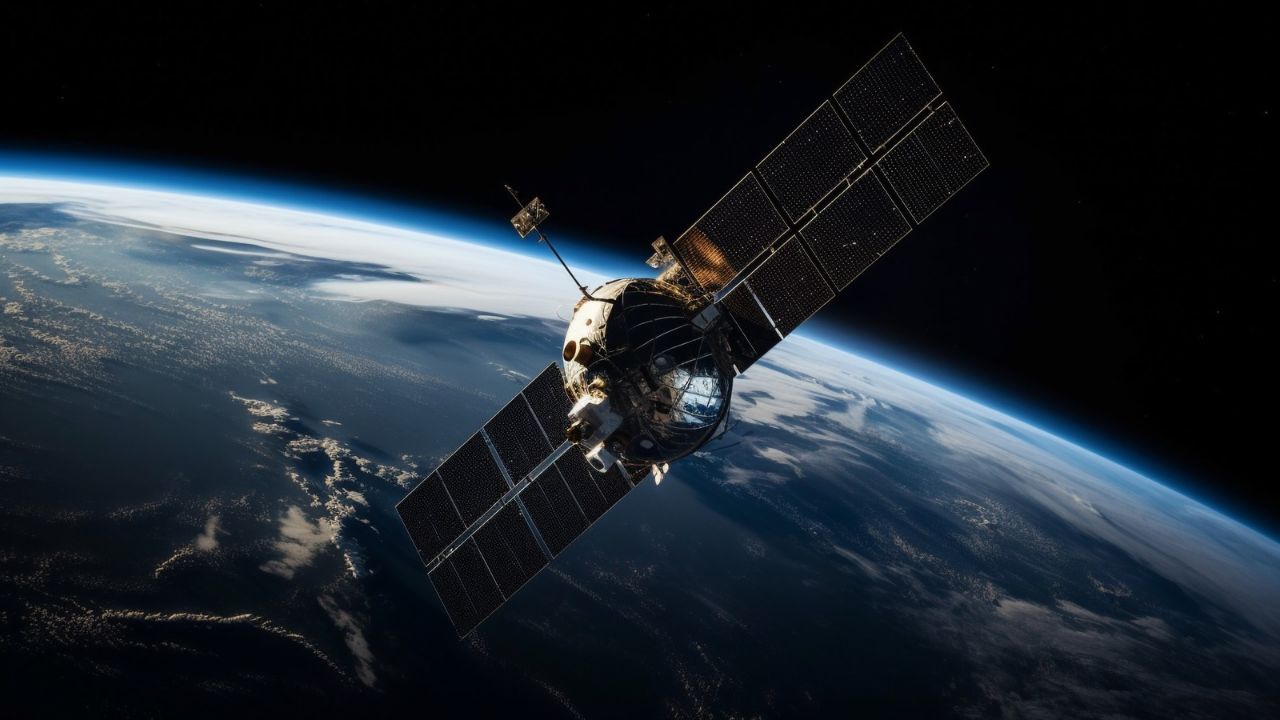
Starlink has renewed its efforts to expand its satellite communication services in India. SpaceX’s satellite internet provider, Starlink, resubmitted an application to the country’s space regulator for approval of its Gen 2 satellite constellation.
The Elon Musk-owned company has sought authorisation from the Indian National Space Promotion and Authorisation Centre (IN-SPACe) for a constellation of nearly 30,000 satellites. The satellites would operate in low Earth orbit (LEO) at altitudes ranging from 340 km to 615 km.
Read More | Starlink to Pilot Satellite Connectivity in Meghalaya’s Hard-to-Reach Areas
Starlink’s earlier application for the Gen 2 constellation was rejected over non-compliance with certain technical features and spectrum bands. IN-SPACe had approved the company’s Gen 1 constellation of 4,408 satellites in July 2025.
The new Gen 2 constellation is expected to support newer satellite communication technologies, including direct-to-device (D2D) connectivity. India is also considering allowing D2D services and opening additional spectrum bands for satellite communications. These developments have prompted Starlink to submit a fresh application.
Read More | BSNL and Starlink in Talks for Satellite Internet Partnership in India
SpaceX plans to deploy around 42,000 satellites as part of its Gen 2 constellation globally. For India, however, the company has so far sought approval for nearly 30,000 satellites. It could apply for authorisation for more satellites at a later stage.
Starlink has yet to begin commercial satellite internet services in India. Other non-geostationary satellite operators, including Eutelsat OneWeb and Jio’s joint venture with Luxembourg-based SES, are also yet to start commercial operations. Security clearances and spectrum allocation remain among the key pending issues for satellite communication services in the country.

Indrani Priyadarshini is a journalist and editorial professional specialising in technology, artificial intelligence, smart cities, green energy, and digital transformation. With over four years of experience in tech journalism and digital media, she is known for turning complex industry developments into clear, engaging, and insightful stories. Her expertise spans reporting, editorial strategy, digital publishing workflows, and in-depth coverage of emerging technologies shaping the future.