India’s growing semiconductor ambitions could bring new risks, including cyberattacks, fake news and physical disruption, Electronics and Information Technology Minister Ashwini Vaishnaw has warned.
Vaishnaw added that the industry should prepare for such attempts as India establishes itself as a new player in the global semiconductor sector.
Also Read: India’s Semiconductor Industry Could Reach $2 Trillion by 2030, Says SEMI CEO
Ashwini Vaishnaw Recalls Sabotage Attempts During Apple Manufacturing Push
Vaishnaw referred to incidents he said took place when Apple began manufacturing iPhones in India. He said there were attempts involving food poisoning, false reports about married women being barred from factory jobs and electricity wires being cut.
He also alleged that Reuters had carried fake news claiming married women were not allowed to work. Vaishnaw said those incidents reflected attempts to prevent India from emerging as a manufacturing base.
According to the minister, similar challenges could emerge as India develops its semiconductor industry.
“Once people start feeling that a new country has come into this industry, there would be people supporting India as well as those opposing it,” said Ashwini Vaishnaw.
Vaishnaw added that he had told the semiconductor industry to prepare for such incidents.
Also Read: India’s Semiconductor Sector Attracts $1.4 Billion in Equity Funding Across 281 Companies
Semiconductor Industry Could Face Cyber, Physical Threats
Vaishnaw said semiconductor industry stakeholders could face cyberattacks, fake news, and physical attacks. He said companies and other participants would need to prepare because semiconductors are a strategic industry and competition in the sector would not be easy.
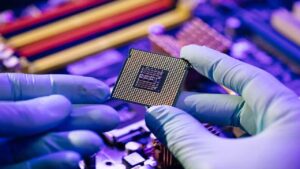
Semiconductors are used in modern electronic products ranging from computers and mobile phones to weapons.
The United States, Taiwan and South Korea are among the leading chip-producing economies, while China is rapidly expanding its position.
India has increased its focus on semiconductor design and manufacturing, particularly as the artificial intelligence boom has added to demand for chips. The United States and China have also increasingly treated semiconductors as strategic assets.
The government has been promoting India’s semiconductor ecosystem and has organised SEMICON India since 2022. The 2026 edition, held from September 17 to 19, brought together around 300 international companies from 52 countries. The event also saw 56 MoUs, announcements and strategic initiatives.
For India’s semiconductor push, the next phase will involve not only building chip-making capacity but also preparing the industry for the risks Vaishnaw has highlighted as the country seeks to establish its place in the global market.

Samarjit Kaur is a journalist and communications professional covering technology & emerging digital trends. With a focus on clarity and context, she reports on developments shaping industries and governance. When not reporting, she chooses to plug-in and relax on her playlists and plan her next bucket-list trips!