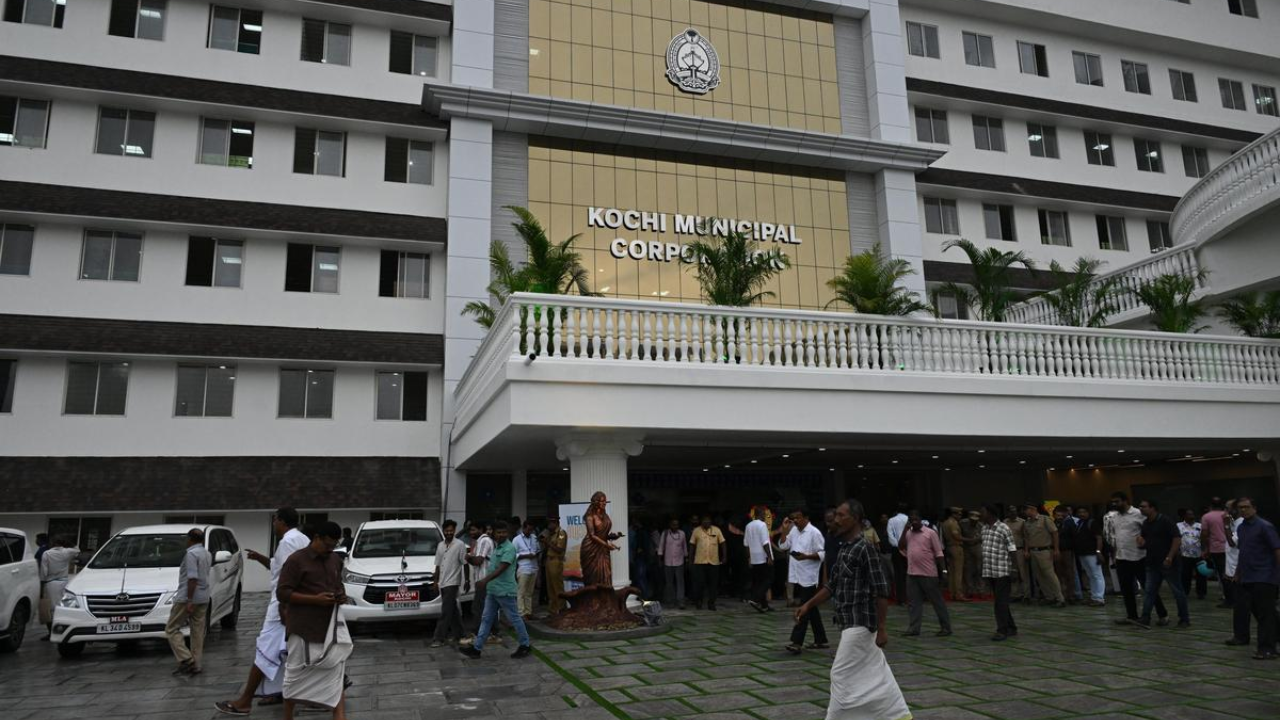
The Kochi Corporation is moving forward with expanding its Geographic Information System (GIS) mapping to improve property tax collection and strengthen urban revenue systems.
The motive is to identify unassessed properties, correct discrepancies and bring more buildings under the tax net. The civic body has already initiated GIS-based property mapping in select zones. Authorities now intend to scale up the exercise across the city to plug revenue leakages and improve financial sustainability.
Also Read: How GIS Can Strengthen Mapping of India’s Commons: A Policy Explainer
Connection: GIS Mapping-Widened Tax Base
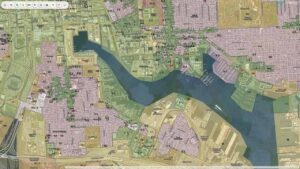
“The GIS survey helps create a digital record of buildings, including details such as size, usage and location. By overlaying satellite imagery with on-ground data, the corporation can detect properties that are either underreported or not registered for taxation.”
-said officials
The expansion plans come after concerns were raised over revenue gaps. Civic authorities said that a significant number of buildings remain outside the tax system due to outdated records and manual errors. The GIS-driven approach is expected to address these gaps with greater accuracy.
The initiative will also help in addressing disputes related to property classification and tax assessment. Officials further said that integrating GIS data with existing municipal databases will help them receive real-time updates and monitor more effectively.
Also Read: Pune Civic Body to Explore GIS Mapping to Target Revenue Growth
In Focus: Revenue Growth & Urban Planning
The corporation thinks that GIS expansion will be a major step toward increasing its own-source revenue. Higher tax compliance is expected to increase the availability of funds for infrastructure and public services.
In addition to revenue gains, the mapping exercise will also support urban planning efforts. Accurate spatial data will help in road development, drainage planning, waste management and disaster response strategies.
The project aligns with broader plans to digitise municipal governance and improve service delivery. The expanded GIS system will be rolled out in phases, with high-density areas getting priority.

Samarjit Kaur is a journalist and communications professional covering technology & emerging digital trends. With a focus on clarity and context, she reports on developments shaping industries and governance. When not reporting, she chooses to plug-in and relax on her playlists and plan her next bucket-list trips!