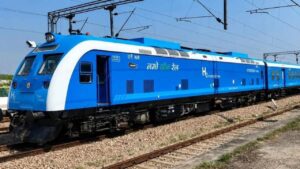
Delhi’s Indira Gandhi International Airport is preparing to launch India’s first driverless Air Train system. The project aims to improve travel between airport terminals and other key areas inside the airport campus.
The Automated People Mover (APM) system will connect Terminal 1, Terminal 2, Terminal 3, Aerocity, and Cargo City through a 7.7-km corridor. The new network will replace the current shuttle bus service for faster and smoother passenger movement.
7.7-km Corridor to Connect Airport Zones
The Air Train route will include both elevated and ground-level tracks. Around 5.7 km of the corridor will be elevated, while the remaining kms will run at ground level. The dedicated transit corridor will allow trains to move separately from airport road traffic. This is expected to reduce delays and improve travel time between terminals.
Read More | Delhi–Rishikesh in 3 Hours? Namo Bharat Rapid Rail Extension Plan Gains Momentum
Project Cost and Timeline
The project is being developed by Delhi International Airport Limited. The airport operator will fully fund the project. The estimated cost of the Air Train system is between ₹3,000 crore and ₹4,000 crore. Construction is expected to take nearly 30 months. If work stays on schedule, operations could begin between late 2027.
Faster and Easier Travel for Passengers
The Air Train service is expected to remain free for transit passengers travelling between terminals. Visitors and non-passengers may have to pay a small fee.
Airport officials believe the new system will reduce dependence on shuttle buses and make inter-terminal transfers faster and more convenient. The project is also expected to improve the airport’s passenger experience and Airport Service Quality (ASQ) ratings.
Read More | Andhra Pradesh Railways Go Fully Electric; New Zone to Strengthen Connectivity
Eco-Friendly Airport Transport System
The electric Air Train network is also expected to reduce traffic congestion inside the airport campus. By replacing many shuttle buses, the airport hopes to lower carbon emissions and support cleaner transport.
Capacity to Handle Thousands of Passengers
The Automated People Mover system is planned to handle around 40,000 to 50,000 passengers daily in the beginning. In the future, capacity could increase to nearly 80,000 to 90,000 passengers every day by increasing train frequency.
Read More | Rajasthan Joins Namo Bharat Network as RRTS Corridor Set to Link Alwar With New Delhi
Similar Systems Already Used Worldwide
Driverless people mover systems are already operating at major global airports, including airports in Dubai, Singapore, and Heathrow Airport. Delhi Airport’s new Air Train project will bring a similar modern transport system to India.

Indrani Priyadarshini is a journalist and editorial professional specialising in technology, artificial intelligence, smart cities, green energy, and digital transformation. With over four years of experience in tech journalism and digital media, she is known for turning complex industry developments into clear, engaging, and insightful stories. Her expertise spans reporting, editorial strategy, digital publishing workflows, and in-depth coverage of emerging technologies shaping the future.