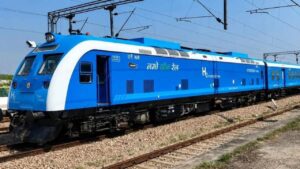
The National Capital Region Transport Corporation (NCRTC) has introduced an electric vehicle (EV) charging facility at the Anand Vihar Regional Rapid Transit System (RRTS) station.
The move has marked a step into integrating sustainable urban mobility within Delhi-NCR. It syncs with the government’s ongoing efforts to strengthen last-mile connectivity and support the adoption of clean mobility across the region.
Also Read: Delhi EV Policy 2.0: ₹175 Crore Scrappage Push Boosts the ‘Electric Shift’
EV Charging Infrastructure Added at Key Transit Hub
The newly installed EV charging facility at Anand Vihar station is designed to serve commuters using electric two- and four-wheelers. Located at a major junction connecting rail, metro and bus services, the station is expected to see high usage of this charging infrastructure.
Officials indicated that the facility aims to provide convenience to daily commuters while promoting cleaner transport alternatives. Anand Vihar is one of the busiest transit nodes in the National Capital Region (NCR). It is a strategic location for deploying such infrastructure.
The initiative is part of a broader push to integrate green mobility solutions within public transport ecosystems, especially at high-footfall stations along the Delhi-Ghaziabad-Meerut RRTS corridor.
Also Read: Indian Railways Deploys AI Tools and Smart Monitoring to Improve Network Safety
Push for Sustainable and Integrated Mobility in NCR
The strategic addition of EV charging points reflects NCRTC’s focus on reducing carbon emissions and supporting India’s electric mobility targets. By enabling charging access at such transit hubs, authorities are encouraging a shift from conventional fuel-based vehicles to electric alternatives.
The RRTS project is a high-speed, energy-efficient transport system aimed at easing congestion and reducing travel times across cities within the national capital region. The inclusion of EV infrastructure complements this vision by linking rapid transit with environmentally sustainable last-mile options.
Officials quoted that similar facilities may be considered at other RRTS stations in the future, depending on demand and commuter patterns.

Samarjit Kaur is a journalist and communications professional covering technology & emerging digital trends. With a focus on clarity and context, she reports on developments shaping industries and governance. When not reporting, she chooses to plug-in and relax on her playlists and plan her next bucket-list trips!