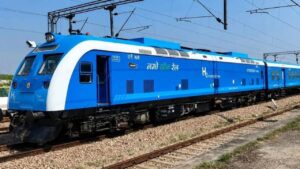
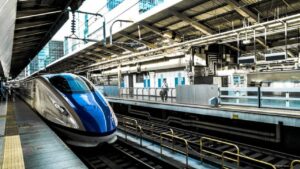
After missing its initial deadline, India’s high-speed rail project is taking a new direction. The government has now decided to introduce Vande Bharat trains on the Mumbai-Ahmedabad bullet train corridor. To facilitate this transition, a tender has been issued for installing an advanced signalling system across the 508-kilometre route.
The Mumbai-Ahmedabad high-speed rail corridor, estimated at ₹1.08 lakh crore, has encountered multiple delays. A key hurdle has been disagreements between India and Japan over the import of rolling stock, which has slowed progress significantly. Initially designed to accommodate Japan’s Shinkansen technology, the project is now being modified to support domestic alternatives. A senior railway official highlighted concerns over the high costs of investing in Japanese systems, prompting authorities to explore more feasible options.
Modern Signalling System Procurement Underway
To advance the project, the National High-Speed Rail Corporation Limited NHSRCL has invited bids for designing, installing, and commissioning cutting-edge signalling and telecommunication infrastructure. However, procurement efforts have been delayed due to unresolved contractual issues with Japan. As part of the latest tender process, bidders must sign non-disclosure agreements NDAs before accessing technical specifications.
Ongoing Negotiations Over Rolling Stock Procurement
Talks between Japan and India regarding rolling stock procurement remain unresolved. In September 2024, Railway Minister Ashwani Vaishnaw visited Japan to address the issue. However, reports indicate that deploying the Shinkansen may not be feasible until 2032. In the interim, the NHSRCL plans to leverage existing infrastructure for Vande Bharat operations to ensure that costly assets do not remain underutilised.
India Gears Up for High-Speed Vande Bharat Services by 2026
To accelerate the project, the Integral Coach Factory ICF invited bids last year for the production of high-speed train sets. BEML, a leading Indian manufacturer, secured a ₹866 crore contract to produce trains capable of achieving speeds up to 280 km/h. With these developments, India aims to commence Vande Bharat services on the Mumbai-Ahmedabad high-speed corridor by 2026, marking a strategic shift in its approach to modern rail transport.

Indrani Priyadarshini is a journalist and editorial professional specialising in technology, artificial intelligence, smart cities, green energy, and digital transformation. With over four years of experience in tech journalism and digital media, she is known for turning complex industry developments into clear, engaging, and insightful stories. Her expertise spans reporting, editorial strategy, digital publishing workflows, and in-depth coverage of emerging technologies shaping the future. She has also conducted high-profile interviews and podcasts with industry leaders, bringing sharp analysis and accessible storytelling to a wide audience.