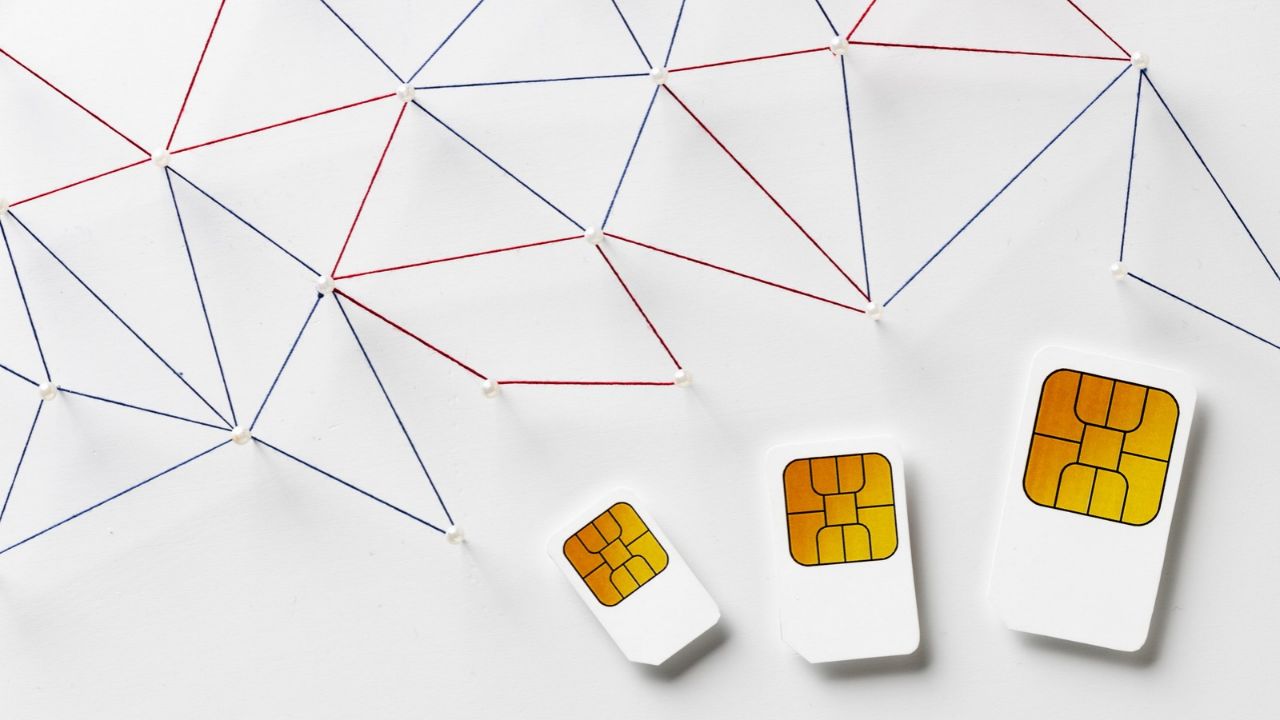
If you have ever wondered how many SIM cards you can legally have in your name, the answer depends on where you are using them. In most parts of India, one person can have up to nine mobile connections across telecom operators. But in Jammu and Kashmir, Assam and the North-Eastern licensed service areas, the limit is six.
Read More | Jio Leads Active Mobile User Additions in June as Airtel Tops Overall Subscriber Gains: TRAI
The lower limit in these regions is linked to their sensitive security environment. Jammu and Kashmir and several parts of the Northeast share international borders and have historically faced concerns around cross-border infiltration, insurgency and the misuse of telecom connections. The stricter limit is therefore part of the government’s wider approach to telecom security and preventing the misuse of mobile connections.
So, what is changing?
The basic SIM limit is not new. The nine-connection ceiling has been in place for years, while the six-connection limit applies in Jammu and Kashmir, Assam and the North-East. What is changing now is how strictly the Department of Telecommunications (DoT) will enforce these limits.
From August 24, 2026, telecom companies will have to check whether a person has already reached the permitted number of mobile connections before giving them another SIM. To do this, operators will use the government’s Digital Intelligence Platform, or DIP, which allows telecom companies to identify subscribers who have reached the prescribed limit.
Read More | Why Is BSNL’s Satellite Phone More Expensive Than Smartphones? Here’s the Reason
The system will also use subscriber photographs to help operators identify people who have already reached the limit. These images will be made available on the DIP from August 23.
What happens if someone still gets an extra SIM?
The checking system will not become fully real-time from day one. During the initial phase, operators can carry out checks after a connection has been activated. If a SIM is found to have taken the subscriber beyond the permitted limit, the extra connection can be suspended.
So, for now, there may be a short gap between activation and verification. The aim is to remove that gap as the new system is fully integrated.
What changes by November 30?
By November 30, 2026, telecom companies are expected to have the checking mechanism integrated into the SIM enrolment and activation process itself. In simple terms, the process will move towards: Apply → Check → Activate.
Read More | New SIM Card Rules: DoT Orders Telecom Operators to Block Connections Beyond 9-SIM Limit
If you have not reached your limit, the new SIM can be activated. If you have already reached the limit, the application will be rejected. For most of India, that means no more than nine mobile connections in your name. In Jammu and Kashmir, Assam and the North-East, the ceiling remains six.
The change is therefore less about introducing a new SIM limit and more about making sure the existing limit is actually enforced across telecom operators.
FAQs: SIM Card Limits in India
1. How many SIM cards can one person have in India?
In most parts of India, one person can have up to nine mobile connections registered in their name across telecom operators.
2. Why is the SIM limit six in Jammu and Kashmir, Assam and the Northeast?
The limit is lower in these regions because of their sensitive security environment, including concerns around cross-border infiltration, insurgency and the misuse of telecom connections.
3. Which states and regions have a six-SIM limit?
The six-connection limit applies to Jammu and Kashmir, Assam and the North-Eastern licensed service areas. The rest of India has a limit of nine mobile connections per person.
4. What is changing from August 24, 2026?
From August 24, telecom operators will start checking whether new SIM applicants have already reached their permitted connection limit. The Department of Telecommunications will use its Digital Intelligence Platform (DIP) to help identify subscribers who have reached the limit.
5. What happens if I already have the maximum number of SIM cards?
If you have already reached the permitted limit, you will not be allowed to obtain another SIM connection once the new checks are applied.
6. Will the SIM limit check happen immediately when I apply?
Initially, the checking process may happen after activation rather than instantly. If an additional connection is found to have breached the permitted limit, it can be suspended. By November 30, 2026, telecom companies must integrate the check into the activation process itself.
7. What will the new SIM activation process look like?
The process is expected to become simple: Apply → Check → Activate. If you are within the permitted SIM limit, the new connection can be activated. If you have already reached the limit, the application will be rejected.

Indrani Priyadarshini is a journalist and editorial professional specialising in technology, artificial intelligence, smart cities, green energy, and digital transformation. With over four years of experience in tech journalism and digital media, she is known for turning complex industry developments into clear, engaging, and insightful stories. Her expertise spans reporting, editorial strategy, digital publishing workflows, and in-depth coverage of emerging technologies shaping the future.