India’s Road Transport and Highways Minister Nitin Gadkari has called for a speedy shift towards 100% ethanol blending in fuel, warning that rising crude oil imports pose a major risk to India’s energy security.
“Reducing dependence on fossil fuels is important for economic stability and long-term sustainability, as India continues to face instability with global oil prices.”
-Nitin Gadkari
Also Read: Delhi to Ban Petrol Two-Wheelers by 2028: What EV Policy 2.0 Means for You
Ethanol Push Gains Acceleration Amid Import Concerns
Gadkari further emphasised that India spends heavily on crude oil imports, making the economy vulnerable to external shocks. Transitioning to ethanol-based fuel can reduce this dependency while supporting domestic agriculture and rural incomes.
India has achieved significant progress with its ethanol blending programme, moving closer to its near-term targets. The next phase should focus on scaling infrastructure, increasing ethanol production and enabling wider adoption of flex-fuel vehicles, the minister signalled.
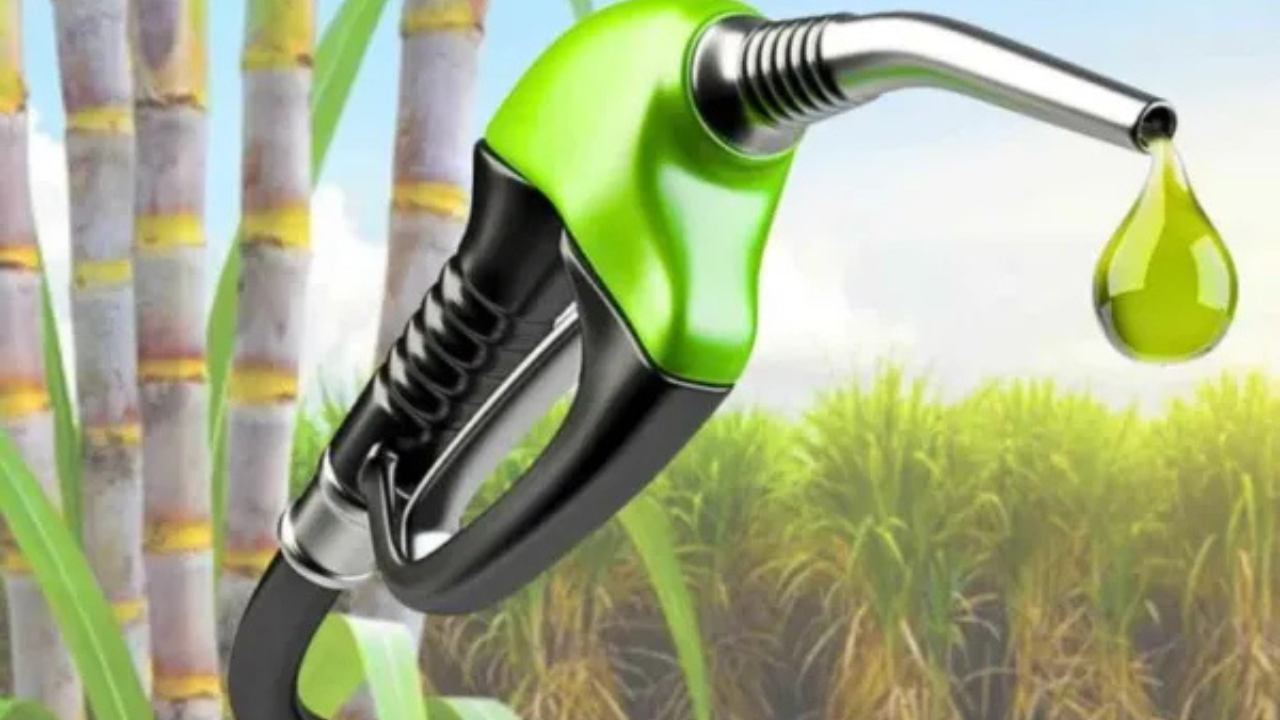
He further highlighted that ethanol, produced from sugarcane and other biomass, offers a cleaner alternative to petrol and can help reduce emissions, which align with India’s climate commitments.
Also Read: 10-Minute EV Charging? New Breakthrough Could Change Everything
Policy Support and Industry Alignment Key to Transition
The minister urged automobile manufacturers to fast-track the rollout of vehicles compatible with higher ethanol blends. He noted that policy alignment between the government, energy companies, and the auto sector will be essential to ensure a smooth transition.
Gadkari also noted the need to invest in biofuel technologies and supply chains to meet future demand. Scaling ethanol production would require coordinated efforts across states, particularly to boost feedstock availability & refining capacity.
The push for ethanol comes as India strengthens its broader clean energy strategy. This includes electric mobility, biofuels and alternative energy sources to reduce carbon emissions and reliance on imports.

Samarjit Kaur is a journalist and communications professional covering technology & emerging digital trends. With a focus on clarity and context, she reports on developments shaping industries and governance. When not reporting, she chooses to plug-in and relax on her playlists and plan her next bucket-list trips!