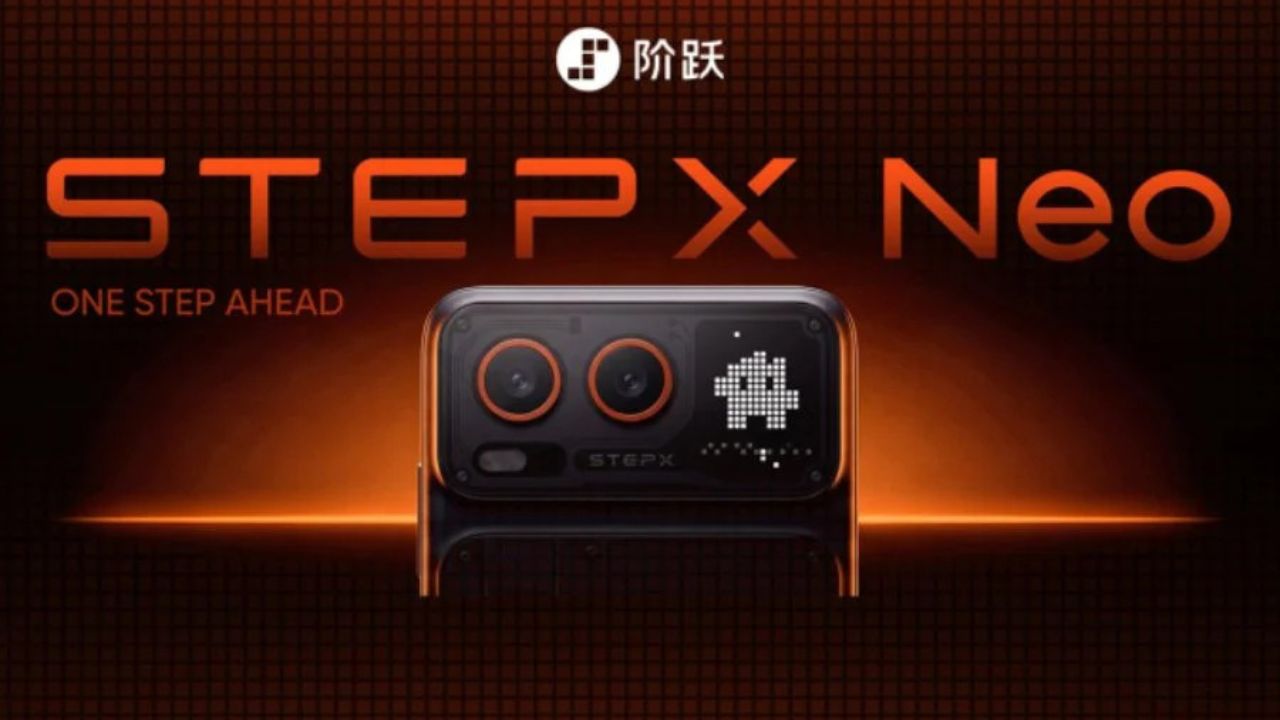
While the tech world has been waiting for OpenAI’s much-rumoured AI phone, a Chinese startup has moved first. Shanghai-based AI company StepFun has unveiled the StepX Neo, the world’s first agentic smartphone, a device built around a native large language model (LLM) instead of the traditional app-centric smartphone experience
Unlike today’s AI-powered smartphones, where assistants still require users to switch between apps, StepFun says the StepX Neo is designed to let an AI agent perform complete tasks from start to finish. The company believes this marks a shift from smartphones that simply offer AI features to phones where AI becomes the primary way users interact with the device.
Read More | Apple iRing Rumours Surface: Could Apple’s Next Wearable Challenge Samsung and Oura?
The announcement also comes as reports continue to suggest that OpenAI is developing its own AI-first hardware in partnership with former Apple design chief Jony Ive. However, before that product reaches consumers, StepFun has become the first company to publicly launch a commercially designed agentic phone.
What Makes StepX Neo Different?
At the heart of the StepX Neo is Step AOS, an operating system designed specifically for AI agents rather than conventional apps. Instead of adding AI as another feature on top of Android, StepFun says it rebuilt the software architecture so that the AI agent sits at the centre of the user experience. Powering the phone is Amoo, the company’s native AI assistant. Users can simply describe what they want in natural language, and the agent is designed to execute multiple steps automatically.
For example, if someone asks the phone to plan a vacation, Amoo can search for flights, recommend hotels, compare prices, complete bookings, organise travel documents, save the itinerary, set reminders and manage the entire trip without the user manually switching between different applications. The system is also designed to learn user habits over time, allowing it to personalise future recommendations based on previous choices.
Beyond travel planning, the AI assistant can also handle ride bookings, food orders, document editing, payments and other everyday tasks through integrations with popular Chinese services including Alipay, Didi, Meituan, Ctrip, WPS and CapCut.
Built Around AI, Not Apps
StepFun says Step AOS combines the AI model, software and hardware into a single integrated platform. The operating system breaks down system functions such as communication, files, applications and device controls into modular capabilities that the AI agent can access directly, reducing the need for users to open individual apps themselves.
The phone is powered by Step Edge, an on-device AI model developed specifically for smartphones. More demanding requests can automatically shift to larger cloud-based models, while simpler tasks remain on the device for faster response times. The company claims its AI model leads competing edge AI models across multiple benchmarks, although it has not disclosed detailed benchmark comparisons.
StepFun has also focused heavily on privacy and security. According to the company, AI actions run inside a trusted execution environment, and permissions are granted only when required and revoked immediately after use, while users can review and even reverse AI actions if needed.
Read More | Trump T1 Phone Price, Specs and Launch Details Revealed
The Company Behind the AI Phone
Founded in 2023 by former Microsoft researchers, StepFun has quickly emerged as one of China’s leading AI startups. The company previously introduced one of China’s first trillion-parameter large language models, highlighting its ambitions in foundation AI research.
Can Agentic Phones Replace Today’s Smartphones?
The biggest question is whether AI agents can eventually replace today’s app-first mobile experience.
Read More | Microsoft Develops Wearable AI Device Designed for Workplace Productivity
If AI assistants become capable of completing transactions across multiple services independently, users may no longer need to open separate apps for booking rides, shopping, making payments or planning travel. Instead, the AI agent becomes the primary interface, while apps operate in the background.
However, this approach depends heavily on cooperation from app developers and service providers. China’s largest digital ecosystems have traditionally maintained tightly controlled platforms, making broad integration a significant challenge. At the same time, competition is already intensifying, with ByteDance also expected to showcase its own agent-focused smartphone initiatives during the World Artificial Intelligence Conference (WAIC) in Shanghai.

Indrani Priyadarshini is a journalist and editorial professional specialising in technology, artificial intelligence, smart cities, green energy, and digital transformation. With over four years of experience in tech journalism and digital media, she is known for turning complex industry developments into clear, engaging, and insightful stories. Her expertise spans reporting, editorial strategy, digital publishing workflows, and in-depth coverage of emerging technologies shaping the future.