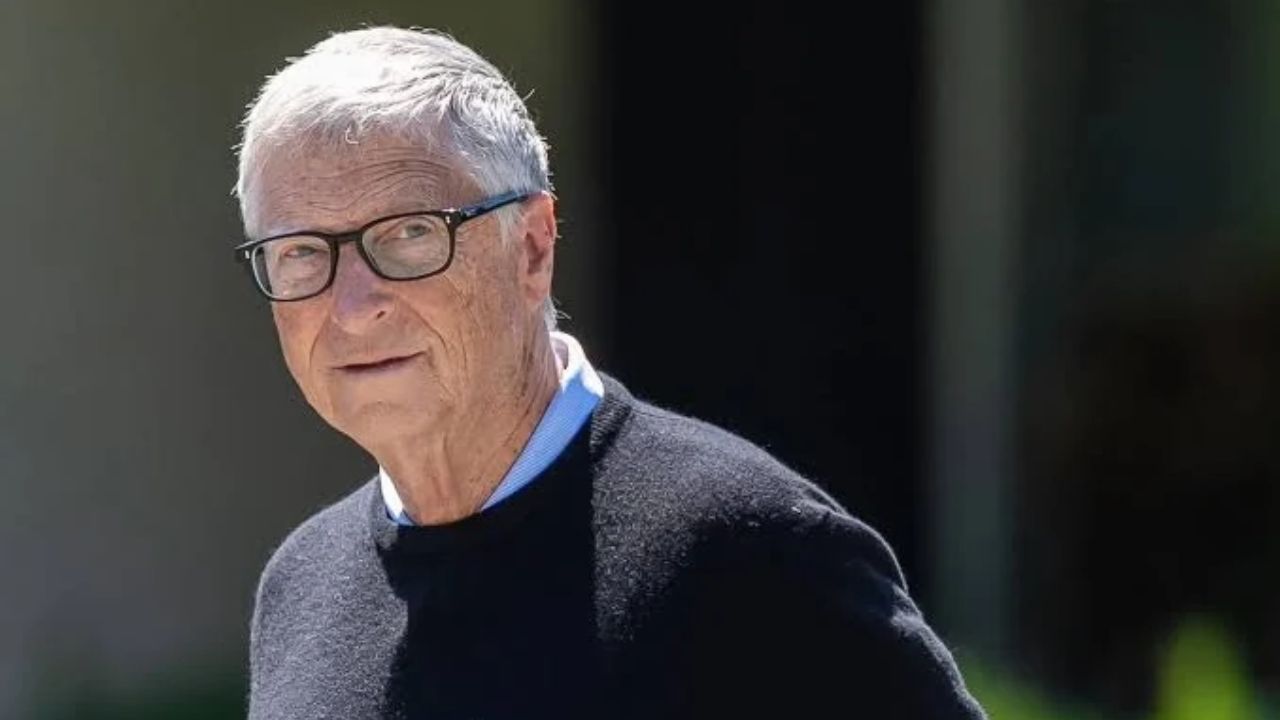
Artificial intelligence is advancing rapidly, but are the rules governing its use keeping pace? Microsoft co-founder Bill Gates believes more needs to be done to make AI safer, calling for safeguards similar to those used for cars, aircraft and medicines.
In a post on social media platform X, Gates said regulation could help society benefit from AI while limiting the risks associated with its misuse. He acknowledged that rules would not prevent every possible harm but argued that they could make it harder for malicious actors to exploit the technology. His comments come as governments and technology companies continue to debate how AI should be monitored and regulated.
Read More | AI Safety vs AI Race: From Jacob Coxon to Trump’s AI Czar — Where Is This Story Heading?
Why does Bill Gates want stricter AI regulations?
Gates believes AI has enormous potential, but its growing capabilities also create risks that cannot be ignored. He has called for a balanced approach that allows the technology to develop while putting appropriate safety measures in place.
Comparing AI with cars, planes and medicines, he highlighted how other industries operate under established safety standards. These rules help identify risks, set responsibilities and protect the public.
Read More | Bill Gates’ AI Safety Risk Warning: Jobs, Robot Tax, ‘Human Reserved’ Work and What Comes Next
AI, he suggested, needs similar safeguards to ensure that its benefits are not overshadowed by the possibility of misuse. Regulation alone may not eliminate every threat. However, Gates believes it can help prevent people from using AI systems for harmful purposes.
Can AI regulation prevent misuse?
AI tools can perform increasingly complex tasks, making them useful across sectors such as healthcare, education, business and scientific research. The same capabilities, however, can also be exploited for malicious purposes.
Gates has warned that the challenge is to manage these risks without losing sight of AI’s potential benefits. He has also cautioned against treating every worst-case scenario as inevitable, arguing that concerns about AI can sometimes be overstated.
The goal, therefore, is not to stop AI development altogether. It is to establish safeguards that reduce the likelihood of serious harm while allowing useful applications to flourish.
AI safety debate gains momentum
Gates is not the only technology leader calling for stronger AI safeguards. Microsoft President Brad Smith and CEO Satya Nadella have also raised concerns about AI safety and the need for greater oversight.
Read More | Bill Gates Calls for Limits on AI Development, Warns of Job Losses, Cyber Risks and Human Control
The wider debate centres on how much responsibility should rest with AI companies and how much governments should intervene. While some favour industry-led safety measures, others argue that voluntary commitments may not be enough to address the risks.
As AI systems become more capable, policymakers face the task of developing rules that can keep pace with the technology without unnecessarily restricting innovation. For Gates, the challenge is finding that middle ground: ensuring AI continues to advance while making its development and use safer for society.

Indrani Priyadarshini is a journalist and editorial professional specialising in technology, artificial intelligence, smart cities, green energy, and digital transformation. With over four years of experience in tech journalism and digital media, she is known for turning complex industry developments into clear, engaging, and insightful stories. Her expertise spans reporting, editorial strategy, digital publishing workflows, and in-depth coverage of emerging technologies shaping the future.