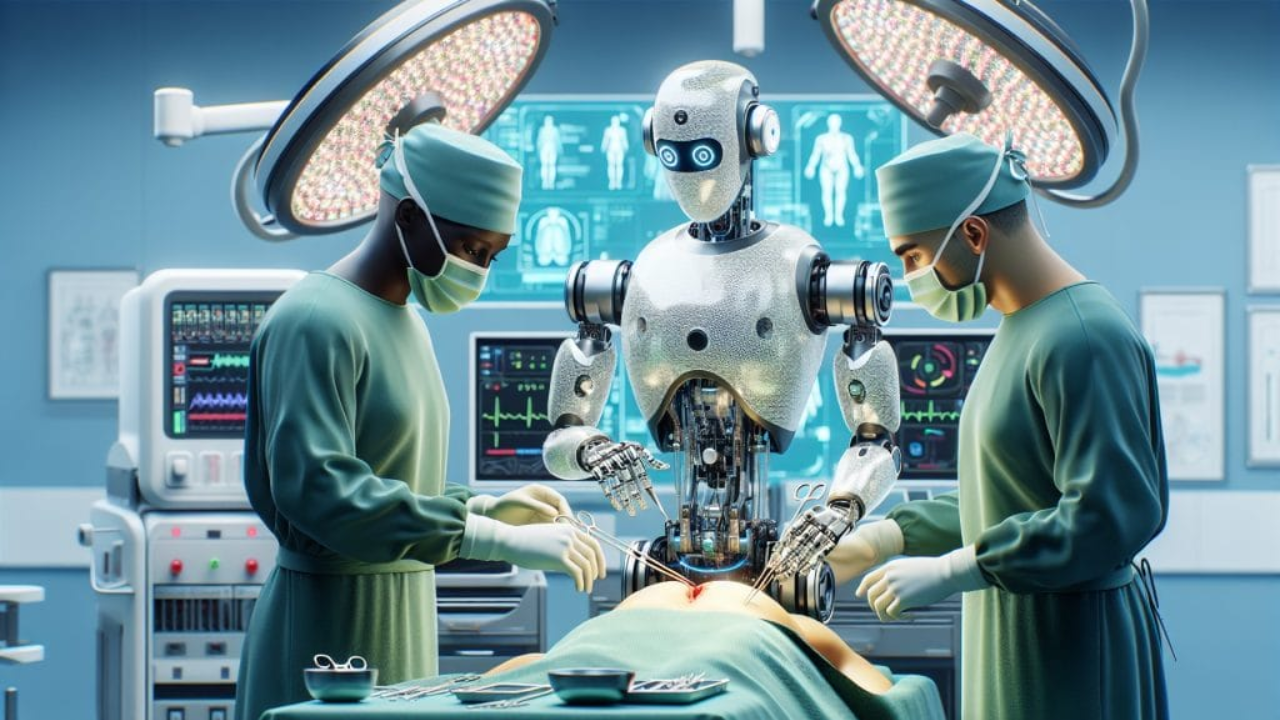
A new study by Harvard researchers has sparked flames about artificial intelligence (AI). The study claims that AI systems have been found to outperform doctors in diagnosing medical conditions in emergency settings.
The claims have raised fresh questions about the role of AI in clinical decision-making.
The findings, based on controlled testing scenarios, suggest that AI tools delivered more accurate and consistent diagnoses compared to physicians working under pressure. The study adds to growing evidence that AI could reshape frontline healthcare, particularly in time-critical environments such as emergency rooms.
Also Read: India Leads the World in Healthcare AI Adoption at 85%, Surpassing the US & UK
AI Shows Higher Accuracy in Emergency Situations
The Harvard-led research evaluated how AI systems and doctors handled emergency case data, including symptoms, patient history and clinical indicators.
The AI models demonstrated a higher success rate in identifying appropriate diagnoses across multiple scenarios.
“AI systems were less affected by fatigue, cognitive bias, or time constraints. These are factors that often influence human decision-making in high-pressure environments.”
-quoted researchers.
The systems processed large volumes of clinical data quickly, resulting in faster, more consistent outputs. They further added.
However, the study did not suggest replacing doctors. Instead, it identified AI as a support tool to help physicians improve diagnostic accuracy and reduce errors.
Also Read: MSME Ministry Trains 2,500 Artisans in AI Tools Like ChatGPT, Google Gemini
Experts Raise Caution Despite Promising Results
Medical professionals and researchers have raised concerns about the need to exercise caution when interpreting the findings. While AI performed well in structured test conditions, real-world clinical environments are way more complex, with unpredictable patient behaviour and incomplete data.
Experts further voiced concerns around accountability, data privacy and the need for human oversight. Doctors bring contextual understanding and ethical judgment that AI systems currently lack.
The study is expected to influence ongoing discussions around AI adoption in healthcare, especially in emergency medicine, where speed and accuracy are critical. Regulators and healthcare institutions are likely to assess how these technologies can be safely integrated into clinical workflows.

Samarjit Kaur is a journalist and communications professional covering technology & emerging digital trends. With a focus on clarity and context, she reports on developments shaping industries and governance. When not reporting, she chooses to plug-in and relax on her playlists and plan her next bucket-list trips!