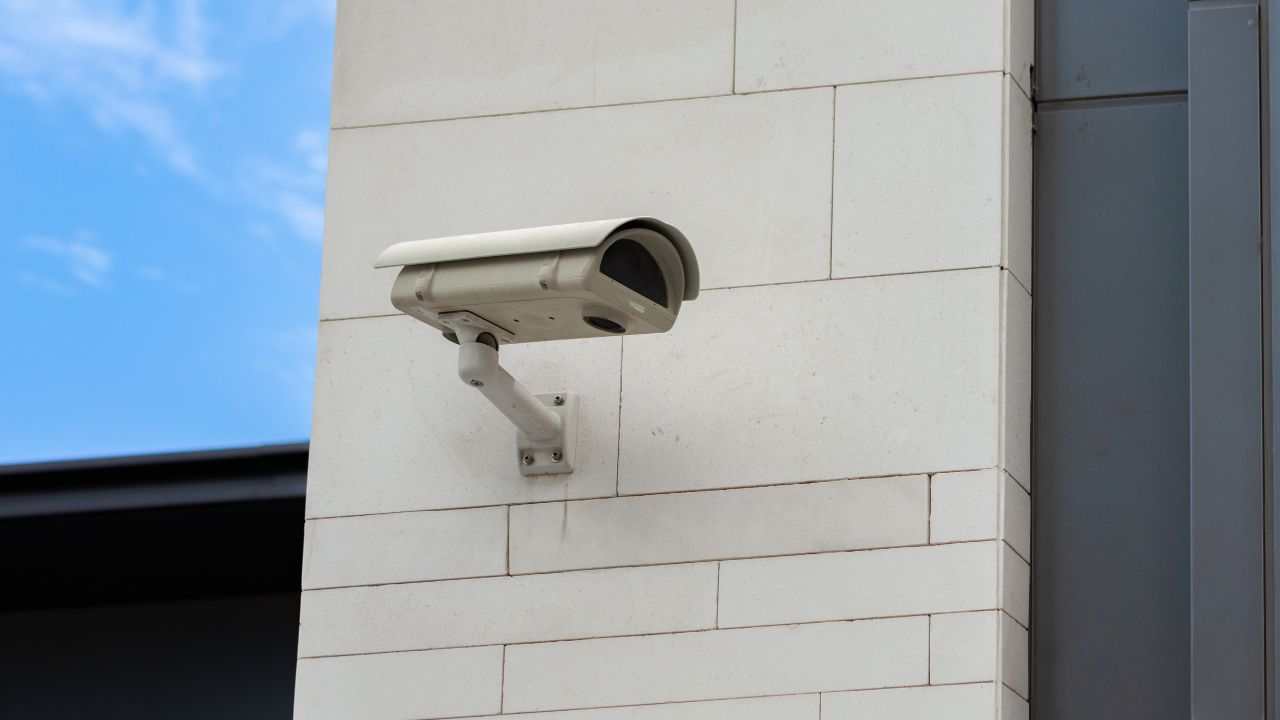
India is set to enforce stricter controls on the sale of internet-connected CCTV cameras from April 1, 2026, effectively shutting out several Chinese surveillance equipment manufacturers from the domestic market. The move follows the rollout of new certification and security compliance rules, aimed at strengthening digital safeguards and reducing dependence on foreign-made surveillance systems, particularly in sensitive installations.
Companies such as Hikvision, Dahua, and TP-Link are expected to be among the most impacted. According to reports, authorities have declined to grant certification to products from these firms, as well as devices that rely on Chinese-origin chipsets.
Read More | Smart Rings or Smartwatches? What India’s Wearable Market Is Leaning Towards in 2026
The shift marks a significant change for the Indian surveillance market. Until recently, Chinese brands accounted for nearly one-third of total CCTV sales in the country. However, domestic players have steadily expanded their footprint. Brands including CP Plus, Qubo, Prama, Matrix, and Sparsh have transitioned to alternative supply chains—largely adopting Taiwanese chipsets—and now collectively command around 80% of the market, as per industry estimates.
At the premium end, international companies such as Bosch and Honeywell continue to hold a strong position, particularly in enterprise and high-security deployments.
The regulatory framework underpinning this transition was introduced by the Ministry of Electronics and Information Technology (MeitY) in April 2024. Under the ‘Essential Requirements’ (ER) norms, manufacturers were given a two-year window to bring their products in line with India’s security standards. Compliance involves certification through the Standardisation Testing and Quality Certification (STQC) process, conducted at government-approved laboratories.
Read More | FASTag Annual Pass Gets Costlier: Fee Raised to ₹3,075 from April 1
As part of the requirements, manufacturers must disclose the country of origin for critical components, including the System-on-Chip (SoC). Devices are also subject to rigorous testing to identify vulnerabilities that could allow unauthorised access or compromise data security.
So far, more than 500 CCTV camera models have received certification, making them eligible for sale in the Indian market. The upcoming enforcement signals a clear policy direction: prioritising trusted hardware ecosystems while tightening oversight on connected surveillance infrastructure.

Indrani Priyadarshini is a journalist and editorial professional specialising in technology, artificial intelligence, smart cities, green energy, and digital transformation. With over four years of experience in tech journalism and digital media, she is known for turning complex industry developments into clear, engaging, and insightful stories. Her expertise spans reporting, editorial strategy, digital publishing workflows, and in-depth coverage of emerging technologies shaping the future.