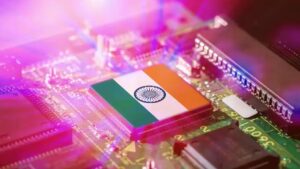
India is approaching a key milestone in its technology ambitions, with four semiconductor manufacturing facilities scheduled to begin commercial production in 2026. The move marks a critical step in the country’s effort to build domestic capability in chip manufacturing and reduce reliance on overseas supply chains. The development was announced by Union Minister for Electronics and Information Technology Ashwini Vaishnaw, who said the plants are transitioning from pilot stages toward full-scale production.
Four Companies Move from Pilot to Production
Micron, CG Power, Kaynes Technology and Tata Electronics are among the first group of companies set to enter commercial operations next year. Micron has already begun pilot production at its facility and is preparing to scale up output. CG Power and Kaynes Technology are following a similar path after completing initial test runs.
Read More |Why India’s Smartphone Market May Lose Momentum Next Year
Tata Electronics plans to bring its semiconductor facility in Assam to commercial readiness by the middle of 2026, with production volumes expected to rise gradually over the year. Together, these plants represent a significant expansion of India’s manufacturing footprint in a sector that has traditionally been dominated by a handful of global players.
Building a Strategic Industry
Semiconductors are increasingly viewed as a strategic asset rather than just an industrial product. Disruptions in global supply chains over the past few years have highlighted the risks of heavy import dependence, prompting governments worldwide to prioritise domestic chip production. India’s semiconductor programme reflects this shift. Since 2023, the government has approved multiple manufacturing proposals across several states, covering chip fabrication, assembly, testing and packaging. The cumulative investment runs into more than ₹1.6 lakh crore, signalling long-term commitment from both the public and private sectors.
Read More |Tata Electronics Joins Hands with ROHM to Build Chip Manufacturing Capabilities
Policy Focus on Growth
Addressing concerns around government incentives, the minister said public funding would be linked to market-ready outcomes. Recent updates to the Design Linked Incentive (DLI) scheme are aimed at ensuring that support flows to projects with clear commercial potential and long-term viability. On the design side, Indian firms are also making steady progress, working on advanced chip architectures and smaller process nodes. This parallel focus on design and manufacturing is intended to create a more resilient and complete semiconductor ecosystem.
A Turning Point for India’s Tech Manufacturing
The start of commercial production in 2026 will be more than a symbolic achievement. It marks a transition from intent to execution in India’s semiconductor journey. As capacity expands and capabilities mature, the country aims to position itself as a credible player in the global electronics supply chain, serving both domestic demand and international markets.

Indrani Priyadarshini is a journalist and editorial professional specialising in technology, artificial intelligence, smart cities, green energy, and digital transformation. With over four years of experience in tech journalism and digital media, she is known for turning complex industry developments into clear, engaging, and insightful stories. Her expertise spans reporting, editorial strategy, digital publishing workflows, and in-depth coverage of emerging technologies shaping the future.