The Maharashtra State Road Transport Corporation (MSRTC), in its latest directive, has ordered all new retail fuel outlets (on its land) to include electric vehicle (EV) charging stations.
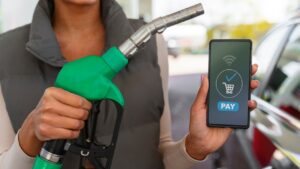
Under the new directive, companies setting up fuel facilities on MSRTC premises through public-private partnership (PPP) arrangements must install EV chargers alongside petrol and diesel dispensers.
Transport Minister and MSRTC Chairman Pratap Sarnaik said the strategy is part of a broader plan to support India’s transition to green transport as the country aims to achieve developed-nation status by 2047.
Also Read: India Slashes EV Charger Benchmark Costs to Drive Green Mobility Expansion
“Future travel will be powered by electric energy, and MSRTC is committed to building the necessary infrastructure starting today.”
said Pratap Sarnaik
At present, only one such station in Dhule is operational. MSRTC plans to develop EV charging facilities on about 100 of its land plots across Maharashtra.
Officials noted that the charging points will be open to all electric vehicle users. The corporation is also planning 174 dedicated charging stations for its electric buses at key locations.
According to vehicle registration data from the Vahan portal, Maharashtra has over 5.78 lakh registered electric vehicles supported by around 4,166 public charging stations.
Also Read: Karnataka Plans 100-Acre EV City to Boost Electric Vehicle Ecosystem
MSRTC’s Electric Bus Rollout Lags Ambitious Targets
While MSRTC is pushing for expanded EV infrastructure on its land, its own transition to an electric bus fleet is significantly behind schedule. The corporation had set a target in November 2023 to procure 5,150 electric buses by 2025. With that timeline now expired, it has delivered only about 600 electric buses, roughly 12 per cent of the original target.
Sarnaik said the rollout of electric buses is being done in phases and future procurements will prioritise electric models. He acknowledged that a large majority of the existing MSRTC fleet still runs on diesel and that the transition will take sustained effort.
Commuters and industry observers welcomed the push for more charging infrastructure but noted the gap between infrastructure planning and the on-ground adoption of electric buses.
Samarjit Kaur is a journalist and communications professional covering technology & emerging digital trends. With a focus on clarity and context, she reports on developments shaping industries and governance. When not reporting, she chooses to plug-in and relax on her playlists and plan her next bucket-list trips!