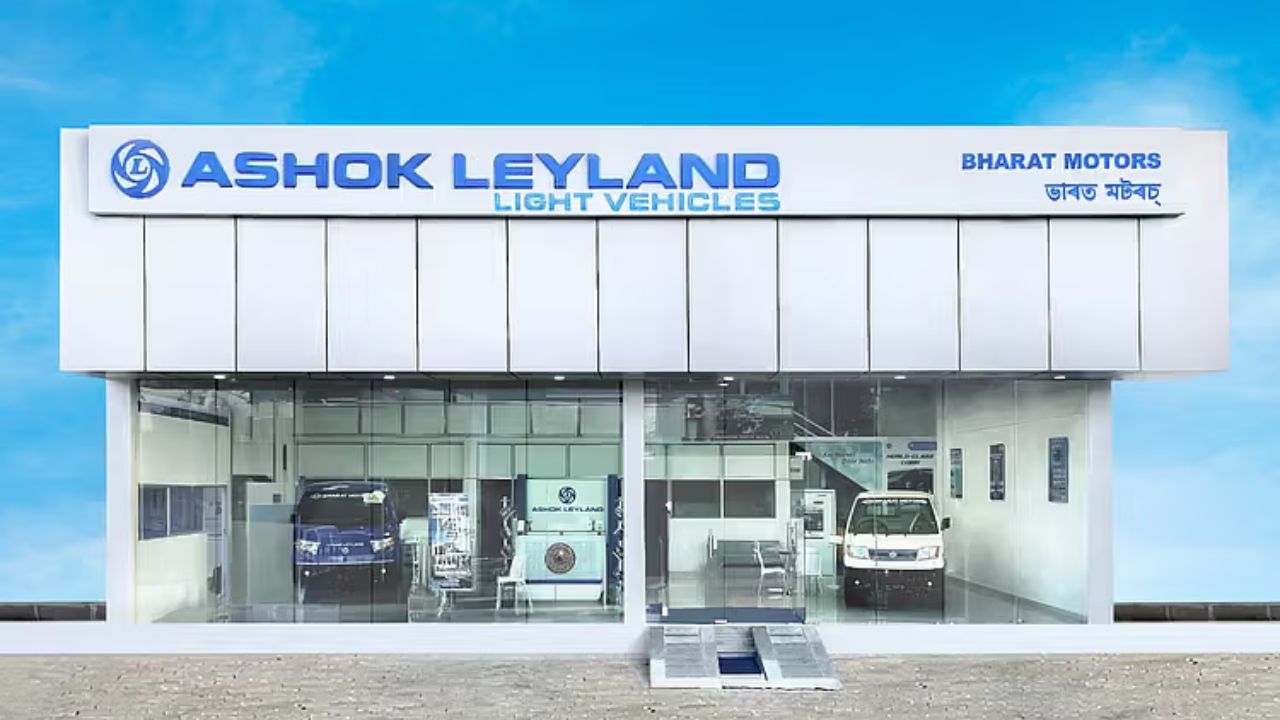
Ashok Leyland is set to invest between ₹800 crore and ₹1,000 crore during FY27 to strengthen its electric mobility business, battery manufacturing capabilities and alternate-fuel vehicle technologies.
The investment is broadly in line with the company’s ₹1,050 crore capital expenditure in the previous financial year, but the focus is now shifting from building capacity to scaling commercial deployment. Senior company officials said the investment will support the company’s efforts to expand its presence across the electric vehicle ecosystem while preparing for the next phase of growth in India’s commercial EV market.
Ashok Leyland’s manufacturing facility
A key priority for Ashok Leyland is its battery-pack manufacturing facility in Tamil Nadu. The plant is expected to reduce reliance on imported battery systems, improve supply-chain resilience and lower costs as electric commercial vehicle production scales up. The company believes local battery manufacturing will play a crucial role in making electric trucks and buses more competitive over the coming years.
Read More | Hyundai Innovation Challenge 2026: Doors Open for Startups Focused on AI, EVs & Future Mobility
Although battery prices are expected to decline in the long term, recent fluctuations have created pricing challenges for manufacturers. Ashok Leyland said truck and bus makers have largely absorbed these cost increases instead of passing them on to customers.
The company is also exploring new business models to improve EV adoption. Through its wholly owned subsidiary, Ohm Mobility, Ashok Leyland has already entered the mobility-as-a-service segment and is evaluating battery-as-a-service solutions. Under this model, customers would pay for battery usage instead of bearing the entire battery cost upfront, reducing the initial purchase price of electric commercial vehicles.
Swapping batteries
Battery swapping is another option under consideration, particularly for trucks operating within ports and mining sites where fixed routes allow quick battery replacement. In addition, the company is assessing the use of megawatt-scale fast chargers to support heavy commercial EV operations.
Read More | Hyderabad Mobility Plan 2050: Cycle Tracks, Skywalks and Metro Expansion Take Centre Stage
Financial status of Ashok Leyland
The investment plans are backed by a strong financial position. Ashok Leyland reported record revenue of ₹44,007 crore in FY26, reflecting a 13.6 per cent year-on-year increase. Commercial vehicle sales also reached an all-time high of 2,20,437 units, while the company ended the financial year with a net cash balance of ₹5,899 crore, providing significant financial flexibility for future investments.
The company believes electric trucks are now becoming commercially viable in selected use cases. According to Ashok Leyland, electric tractor-trailers have already achieved total cost of ownership parity in certain cement, steel and mineral transportation operations. However, wider adoption will depend on expanding charging infrastructure, improving financing options and ensuring favourable fleet operating economics.
Read More | Karnataka launches Urban Mobility Mission to tackle Bengaluru traffic, eyes coordinated transport reforms
To gather real-world performance data, Ashok Leyland has deployed more than 20 electric trucks on the Chennai-Bengaluru corridor. These vehicles have collectively covered over 1.8 lakh kilometres while serving sectors such as e-commerce, pharmaceuticals, automotive and retail logistics. The company said the programme has helped evaluate vehicle performance, reliability and infrastructure requirements before larger-scale deployment.
Switch Mobility India
Its electric mobility arm, Switch Mobility India, also delivered a strong performance during FY26. The subsidiary reported revenue of ₹1,807 crore and a profit after tax of ₹104 crore, making it one of the few profitable players in India’s commercial EV segment. During the year, electric bus volumes increased by 238 per cent, while electric light commercial vehicle sales grew by 56 per cent.
Alongside battery-electric vehicles, Ashok Leyland continues to pursue a multi-fuel strategy. The company is expanding its LNG and CNG vehicle portfolio, including long-haul applications using lightweight composite cylinders. Hydrogen remains part of its long-term roadmap, with hydrogen-powered buses already operating in Leh-Ladakh and more than 20 hydrogen internal combustion engine vehicles deployed in partnership with Reliance.
Read More | Delhi EV Policy 2026: Cabinet Clears ₹15,000-Crore Electric Mobility Plan with Tax Waivers and EV Incentives
For FY27, Ashok Leyland’s strategy is centred on proving that battery manufacturing, electric commercial vehicles and alternate-fuel technologies can become commercially viable at scale while supporting the evolving needs of fleet operators in India and overseas.

Indrani Priyadarshini is a journalist and editorial professional specialising in technology, artificial intelligence, smart cities, green energy, and digital transformation. With over four years of experience in tech journalism and digital media, she is known for turning complex industry developments into clear, engaging, and insightful stories. Her expertise spans reporting, editorial strategy, digital publishing workflows, and in-depth coverage of emerging technologies shaping the future.