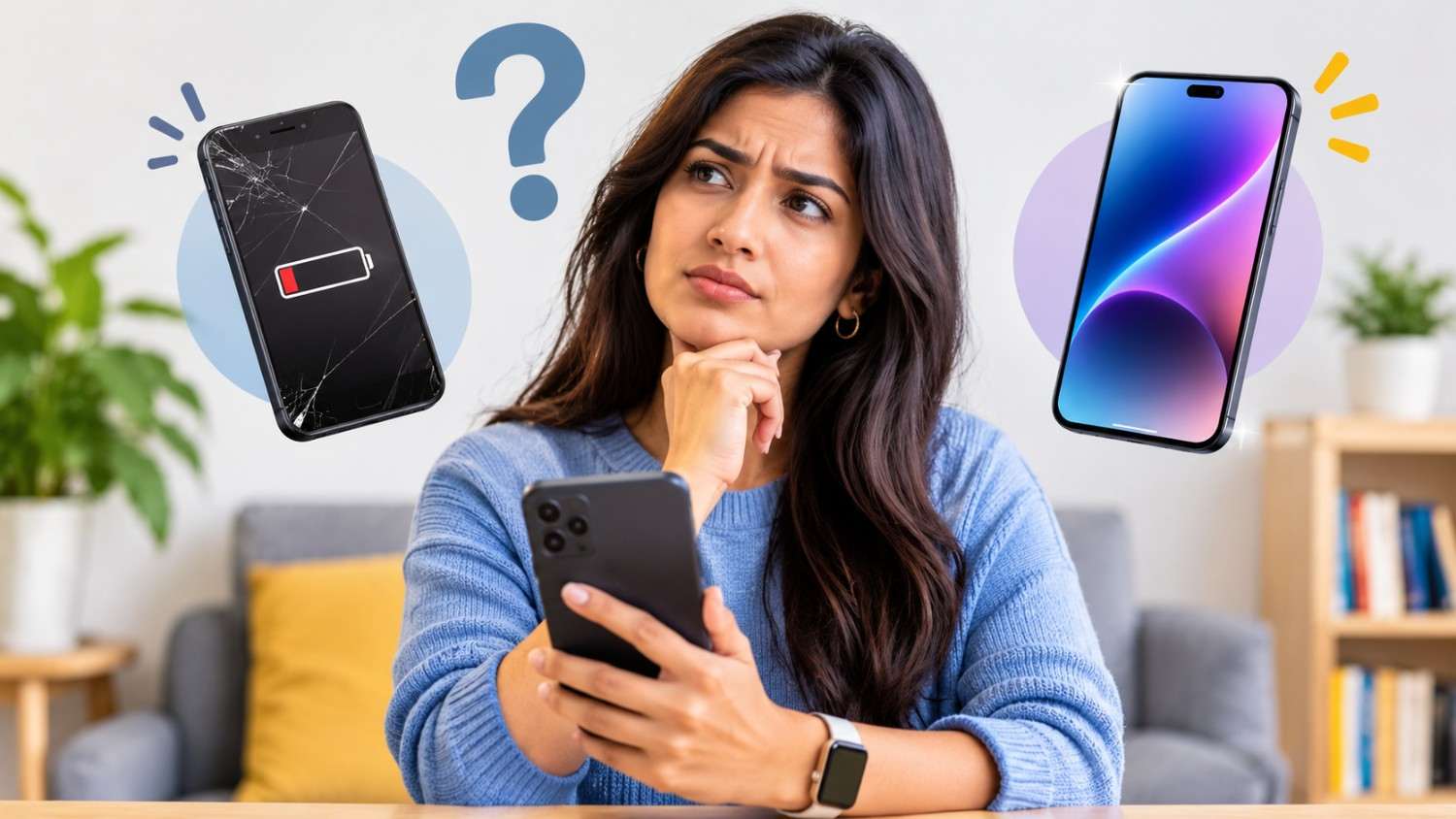
Buying a new smartphone every year may seem tempting, especially when manufacturers launch devices with better cameras, faster processors, bigger batteries and new artificial intelligence (AI) features. But does a new phone always mean a better experience? Not necessarily.
For many users, a smartphone that is two, three or even four years old may still be good enough for everyday tasks such as making calls, browsing the internet, using social media, watching videos and managing online payments. However, there comes a point when an ageing device starts affecting performance, security and daily convenience.
So, how do you know whether it is time to replace your smartphone in 2026 or whether you can continue using your existing device?
The answer depends on more than the phone’s age. Battery performance, software updates, storage, repair costs and your actual usage all play an important role. Before spending money on a new device, here is a practical checklist to help you make the decision.
1. Is Your Phone Becoming Slower Every Day?
One of the first signs that a smartphone may need replacing is a noticeable drop in performance. Apps that once opened quickly may now take longer to load. Switching between applications may feel slow, and the phone may freeze or restart unexpectedly.
However, a slow phone does not automatically mean you need a new one. Over time, storage fills up with photos, videos, downloaded files and unused applications. Background processes and outdated software can also affect performance.
Before considering an upgrade, try clearing unnecessary files, removing applications you no longer use and installing available software updates. Restarting the device may also help resolve temporary performance issues.
If the phone continues to struggle with basic tasks even after these checks, its processor, memory or ageing hardware may be reaching its limits. This is when upgrading becomes worth considering.
2. Does Your Battery Last Through the Day?
Battery performance is another important factor to consider. A smartphone that once lasted an entire day may now need charging two or three times. You may also notice that the battery percentage drops unusually quickly, even when you are not using the phone.
Lithium-ion batteries gradually lose their ability to hold charge as they go through repeated charging cycles. This is a normal part of smartphone ageing.
However, poor battery life does not always mean the entire phone needs replacing. If the device is otherwise working well, replacing the battery could be a more affordable option.
Check whether your phone provides a battery health report in its settings. If the battery has deteriorated significantly, compare the cost of a replacement with the price of buying a new smartphone.
If a battery replacement restores reliable performance, you may be able to use your existing phone for another year or two.
3. Is Your Phone Still Receiving Software and Security Updates?
This is one of the most important things to check before deciding whether to keep an old smartphone.
Smartphones need regular software updates to fix bugs, improve performance and protect users against security threats. These updates are particularly important if you use your phone for online banking, digital payments, shopping, work emails and storing personal information.
When a manufacturer stops providing security updates for a particular model, the device may become more vulnerable to newly discovered security weaknesses. Even if the phone continues to work normally, the lack of security support can make it a less suitable choice for handling sensitive information.
In 2026, software support periods vary considerably between smartphone manufacturers and models. For instance, Google promises seven years of operating system and security updates for Pixel 8 and newer models. Samsung also offers extended support for selected Galaxy devices.
Before upgrading, visit your manufacturer’s official website and check the support period for your exact smartphone model. If security updates have ended or are about to end, it may be time to consider a replacement.
4. Are You Constantly Running Out of Storage Space?
Running out of storage can make even a relatively new smartphone frustrating to use.
You may find yourself deleting photographs, uninstalling applications or moving videos to other devices just to make space for new files. Some applications may also struggle to download updates when there is not enough available storage.
Before buying a new phone, check what is taking up space. Old videos, duplicate photographs, downloaded documents and unused applications can consume a surprising amount of storage.
Cloud storage services and external storage options, where supported, can also help manage files without replacing the device.
However, if your phone has limited internal storage and you regularly work with large files, record high-resolution videos or use several demanding applications, upgrading to a model with more storage could make a noticeable difference.
When buying your next smartphone, consider your storage requirements over the next few years rather than choosing a model based only on what you need today.
5. Can Your Phone Handle the Apps and Features You Need?
Smartphones have become important tools for work, entertainment, communication and financial transactions. As applications become more demanding, older devices may struggle to keep up.
For example, newer applications may require a more recent operating system, while some features may only work on smartphones with particular processors, cameras or memory capacities.
Artificial intelligence is another factor influencing smartphone upgrades in 2026. Several manufacturers are introducing AI-powered features for photography, voice assistance, translation, writing and productivity.
However, not every new AI feature is a reason to replace your phone. Many AI services work through the internet and can be accessed using older devices. Others require specific hardware and may only be available on newer models.
The important question is whether your current smartphone can support the applications and features you actually use. If it cannot run essential apps or struggles with your regular workload, an upgrade may be justified.
6. Is Repairing Your Existing Phone More Expensive Than Replacing It?
A cracked screen, damaged charging port or faulty speaker can make a phone difficult to use. But does every hardware problem mean it is time to buy a new device?
Not always.
Smartphone repairs can be considerably cheaper than purchasing a replacement, particularly if the device is otherwise in good condition. A new battery, screen or charging port may restore much of its original usability.
However, the decision becomes more complicated when the phone has multiple hardware problems. If the battery is deteriorating, the screen is damaged and the charging port is unreliable, repair costs can quickly add up.
Compare the total repair estimate with the cost of a suitable replacement. Also consider whether the repaired phone will continue receiving software updates and meet your requirements for the next few years.
If repairs are expensive and the device is already nearing the end of its software support, replacing it may be the more sensible decision.
7. Will a New Smartphone Actually Improve Your Daily Experience?
Smartphone manufacturers often highlight better cameras, brighter displays, faster processors, improved zoom and AI-powered tools when launching new devices.
These improvements can be useful, but not every new feature will make a difference to every user.
If you mainly use your phone for calls, messaging, social media, browsing and watching videos, a new flagship smartphone may offer more performance than you actually need.
On the other hand, someone who regularly records videos, plays demanding mobile games, edits content or uses their smartphone for professional work may benefit from a better camera, faster processor and improved battery life.
Before upgrading, compare the features of your current device with those of the smartphone you are considering. Look beyond marketing claims and focus on improvements that solve a genuine problem.
A new phone should offer a noticeable improvement in the way you use your device, rather than simply having a higher number in its specifications.
8. Is Your Upgrade Budget Worth the Expense?
A smartphone upgrade is not just about the price printed on the box. Accessories, protective cases, compatible chargers, data transfers and other additional expenses can increase the overall cost.
It is also worth considering how long you plan to use the new device. A phone with a slightly higher upfront price but a longer software support period may offer better value over time.
If your existing smartphone meets your needs, there is no financial advantage in replacing it simply because a newer model has arrived.
However, if you are spending money repeatedly on repairs or dealing with problems that affect your daily activities, a replacement could be a more practical investment.
Ultimately, the best time to upgrade is when the benefits of owning a new phone outweigh the cost of keeping your current one.
So, Should You Upgrade Your Phone in 2026?
There is no fixed number of years after which every smartphone needs replacing. Some devices remain useful for five years or longer, while others may become difficult to use much sooner because of poor battery health, limited storage or discontinued software support.
The decision should come down to three things: how well your phone works, how safely it can continue operating and whether it meets your everyday requirements.
If your smartphone still performs reliably, receives security updates and has a battery that lasts through the day, keeping it for another year could be the smarter choice. But if it struggles with essential applications, no longer receives security updates or requires expensive repairs, upgrading may be the better option.
The bottom line is simple: do not upgrade just because a new smartphone is available. Upgrade because your current one no longer does what you need it to do.

Indrani Priyadarshini is a journalist and editorial professional specialising in technology, artificial intelligence, smart cities, green energy, and digital transformation. With over four years of experience in tech journalism and digital media, she is known for turning complex industry developments into clear, engaging, and insightful stories. Her expertise spans reporting, editorial strategy, digital publishing workflows, and in-depth coverage of emerging technologies shaping the future.