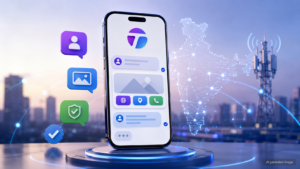
The National Highways Authority of India (NHAI) has signed an MoU with Reliance Jio to introduce a telecom-driven safety alert system across the highway network. Aimed at strengthening road safety and improving the travel experience, the initiative will use Jio’s existing 4G and 5G infrastructure to deliver real-time warnings to commuters as they approach accident-prone zones, stray-cattle stretches, fog-hit areas, or active diversions.
Under the plan, travellers will receive alerts directly on their phones through SMS, WhatsApp or high-priority automated calls. These notifications are designed to give drivers enough time to adjust speed, change lanes or prepare for potential risks well in advance.
Also Read |Galaxy Z TriFold: Samsung’s New 10-Inch Multi-Fold Smartphone Debuts
The system will be linked in phases with NHAI’s digital platforms, including the Rajmargyatra mobile app and the 1033 emergency helpline, creating a more connected and responsive highway ecosystem.
Because the solution leverages existing telecom towers, it can be deployed swiftly without the need for additional on-ground hardware. All Jio subscribers travelling on or near National Highways will automatically receive early warnings as they approach identified risk zones.
NHAI Chairman Santosh Kumar Yadav said the initiative represents a significant step in delivering timely and reliable information to motorists, helping them make informed decisions on the move. Reliance Jio President Jyotindra Thacker added that the partnership uses Jio’s wide network reach to provide safety alerts at scale, contributing to safer highway travel nationwide.
Also Read | Meet Amar Subramanya, Apple’s New Vice President of AI
The pilot rollout will begin across selected NHAI regional offices to validate risk-zone mapping and alert thresholds. The system will adhere to regulatory and data-protection norms, ensuring secure handling of user information.
NHAI also plans to implement similar solutions with other telecom operators. By coupling robust digital networks with real-time communication tools, the authority aims to reduce preventable accidents and push India’s highways toward a safer and more technology-enabled future.

Indrani Priyadarshini is a journalist and editorial professional specialising in technology, artificial intelligence, smart cities, green energy, and digital transformation. With over four years of experience in tech journalism and digital media, she is known for turning complex industry developments into clear, engaging, and insightful stories. Her expertise spans reporting, editorial strategy, digital publishing workflows, and in-depth coverage of emerging technologies shaping the future. She has also conducted high-profile interviews and podcasts with industry leaders, bringing sharp analysis and accessible storytelling to a wide audience.