Union Minister for Electronics and Information Technology Ashwini Vaishnaw has signalled progress in the country’s efforts to build a domestic chip ecosystem.
India is set to operationalise four semiconductor manufacturing plants within the year, he highlighted. The move comes as India pushes a broader policy to reduce import dependence and position India as a global semiconductor hub.
Also Read: PM Modi Unveils Semiconductor Plant in Gujarat, Rolls Out ₹20,000 Cr Mega Projects
Government Accelerates Semiconductor Manufacturing Push
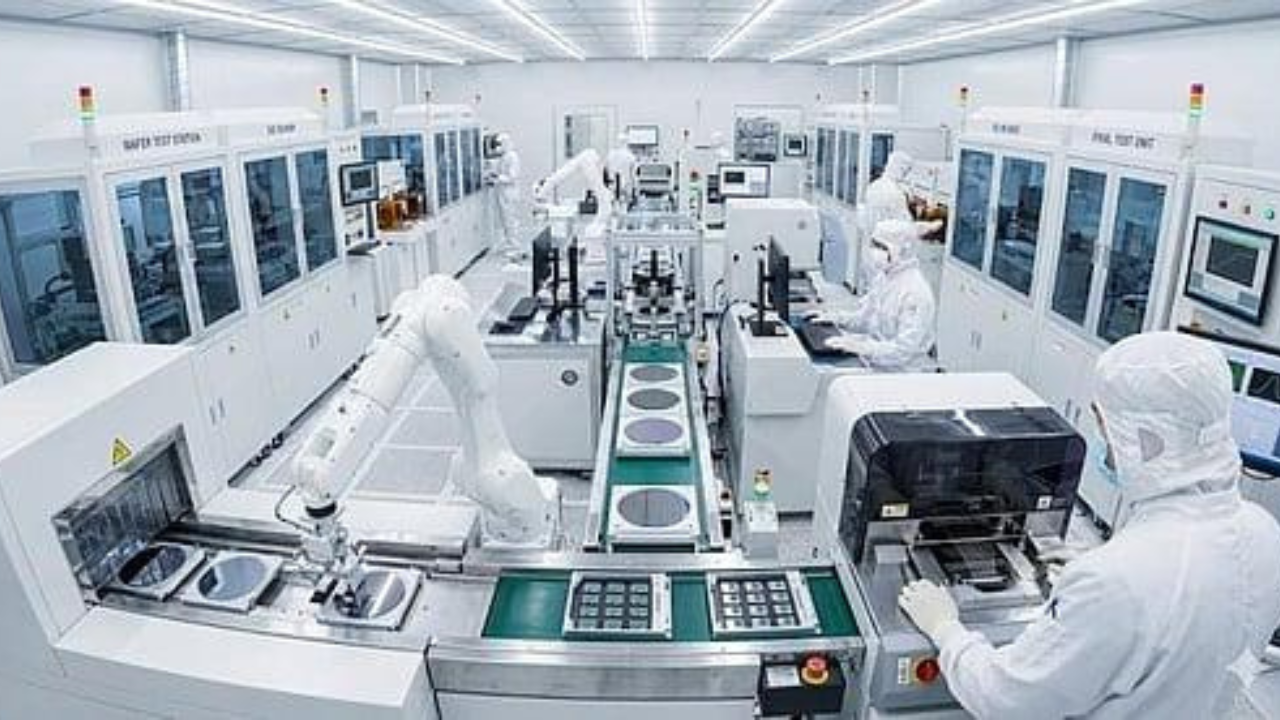
“The construction of four semiconductor facilities is advancing on schedule, with all units expected to be ready in 2026. These plants are being developed under the government’s semiconductor mission, which aims to strengthen domestic manufacturing capacity across the chip value chain.”
– Ashwini Vaishnaw, Union Minister for Electronics and Information Technology
The projects include a mix of fabrication and assembly units, backed by global and domestic partnerships. The government has been offering incentives to attract investment and technology collaborations in semiconductor manufacturing, a sector seen as critical to electronics, telecom, automotive and emerging technologies.
Officials stated that the initiative is part of a long-term strategy to build supply chain resilience, especially after global chip shortages disrupted industries in recent years.
Also Read: PM Modi Inaugurates HCL–Foxconn Semiconductor Unit in Uttar Pradesh
Strategic Focus on Self-Reliance and Global Positioning
The development of these plants is expected to support India’s ambitions of becoming a key player in the global semiconductor landscape. The government has been working to create an enabling ecosystem, including infrastructure, talent development and policy support.
Vaishnaw noted that demand for semiconductors is expected to rise sharply, driven by growth in digital services, artificial intelligence and electronics manufacturing. The upcoming facilities are expected to cater to both domestic consumption and export markets.
Industry experts suggest that the timely execution of these projects will be important for India to compete with established semiconductor manufacturing hubs. The government has reiterated its commitment to ensuring that the projects remain on track.

Samarjit Kaur is a journalist and communications professional covering technology & emerging digital trends. With a focus on clarity and context, she reports on developments shaping industries and governance. When not reporting, she chooses to plug-in and relax on her playlists and plan her next bucket-list trips!